 AFCON 2025



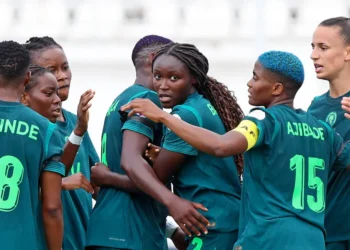
Nigeria will take on South Africa in a World Cup intercontinental playoff qualifier at the ongoing Women’s Africa Cup of Nations, renewing one of the tournament’s fiercest rivalries. Both sides arrive at this fixture after quarter-final exits, with the Super Falcons falling to Cameroon and Banyana Banyana bowing out to host nation Morocco. Neither side will settle for missing out on a second route to the World Cup, and the Super Falcons will need to be wary of several South African players who have shown flashes of quality through the tournament.
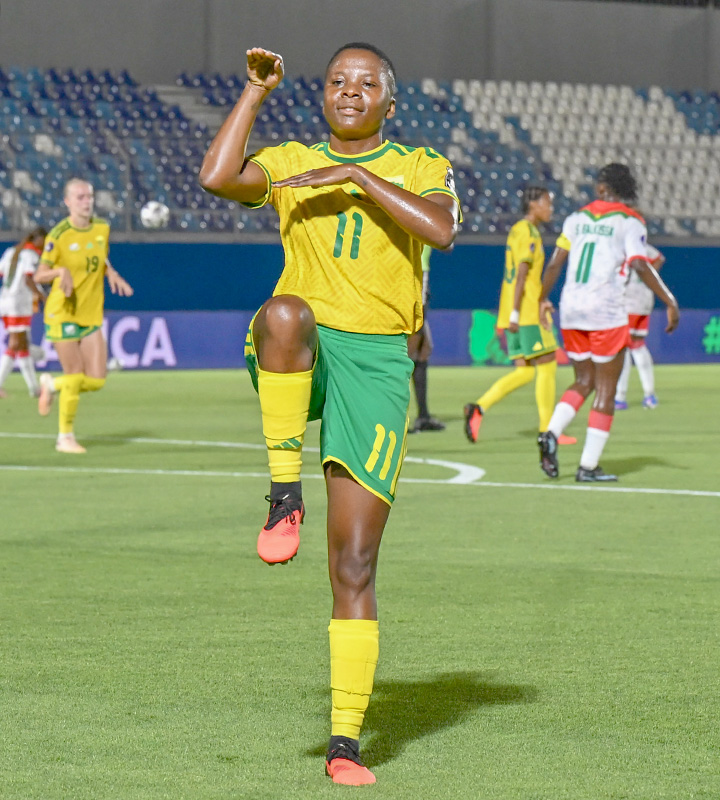
Thembi Kgatlana stands out as the player Nigeria’s defence must track closely. The 30-year-old striker has carried South Africa’s attacking threat through a difficult campaign, scoring the decisive goal against Burkina Faso to help Banyana Banyana escape the group stage, then finding the net again against Morocco in the quarter-final. That goal ended an eight-year wait for a knockout-stage strike at the tournament and took her WAFCON tally to eight goals across seven matches, with South Africa winning six of those. Kgatlana’s movement in behind defensive lines has repeatedly created danger, and Nigeria’s backline of Alozie, Demehin, Ohale and Oladapo will need a coordinated approach to shut down her runs.
Bambanani Mbane is another name the Super Falcons cannot afford to overlook. The defender has anchored a South African backline that held firm for long stretches against Morocco’s attacking pressure, and she impressed further forward too, completing 41 passes and winning 12 duels in the win over Burkina Faso. Her composure on the ball allows Banyana Banyana to build attacks from deep, and her defensive discipline has been central to South Africa limiting clear-cut chances even when under sustained pressure.
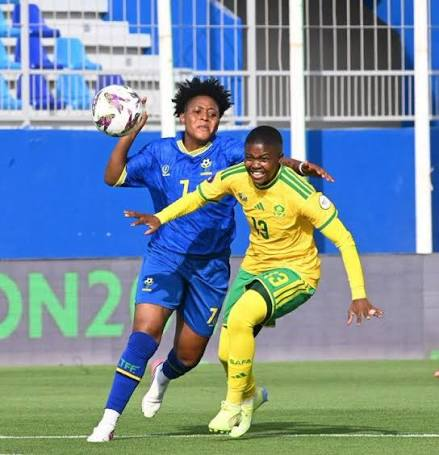
Karabo Dhlamini also deserves close attention heading into the playoff. Her through ball set up Kgatlana’s goal against Morocco in the quarter-final, showing an eye for the killer pass in tight, high-pressure moments. If Nigeria’s midfield allows her time and space to pick out runners, South Africa’s forwards will have chances to punish the Super Falcons on the counter.
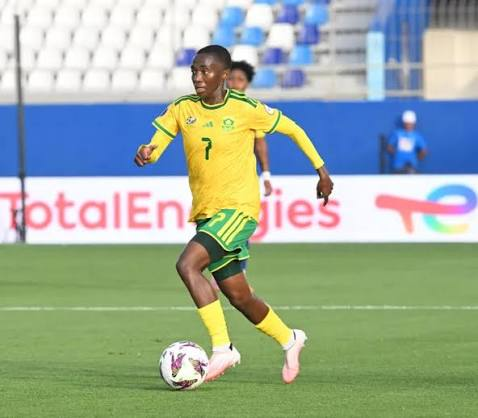
South Africa’s route to this playoff has been anything but smooth. Banyana Banyana finished bottom of their group with a single point from two matches, having lost to Tanzania before a dramatic comeback draw against Ivory Coast kept their tournament alive. A win over Burkina Faso and a favourable result elsewhere carried them into the knockout stage in second place, ending a run of nine consecutive WAFCON semi-final appearances when Morocco eliminated them in Casablanca.
Nigeria and South Africa also share history at this tournament, most notably the 2022 final in Rabat, where Banyana Banyana won 2-1 in the group stage before going on to be crowned African champions for the first time.
With a place in the FIFA World Cup intercontinental playoff on the line, both sides will go all out for a result. The Super Falcons will need a sharp defensive gameplan against Kgatlana’s movement, Mbane’s composure, and Dhlamini’s passing range if they are to keep South Africa’s attacking threats quiet and book their own path back toward the World Cup.