 AFCON 2025



Wednesday’s Champions League ties offered a reminder of how knockout football rarely follows a predictable script.
Across the grounds, momentum swung sharply, leads proved fragile, and tactical decisions carried immediate consequences. Teams were forced into adjustments not by long-term strategy, but by the urgent demands of the game itself.
Beyond the results, the matches revealed familiar patterns that continue to define elite European competition. Here are five broader lessons shaped directly by what unfolded on the pitch.
1. Momentum Shifts Decide Knockout Football
Real Madrid’s meeting with Benfica showed how quickly control can change hands. Benfica’s early assertiveness disrupted Madrid’s rhythm, forcing the Spanish side into reactive phases rather than their usual controlled build-up. The game’s tone shifted not through tactical overhaul, but through persistence and pressure.
Madrid’s response shows a recurring Champions League theme. Elite teams do not always dominate from start to finish; they survive difficult spells and capitalize when momentum swings back. The ability to absorb pressure without structural collapse remains critical.
2. Late-Game Composure Is a Competitive Advantage
Atalanta’s dramatic finish against Borussia Dortmund shows the value of clarity under stress. Deep into added time, with tension dictating every movement, Atalanta maintained attacking purpose rather than retreating into caution. The decisive moment came from sustained belief rather than desperation.
Dortmund’s contrasting reactions reflected how pressure influences defensive organisation. Fatigue combined with anxiety led to rushed challenges and positional instability. In knockout football, mental sharpness often erodes before physical energy fully disappears.
What stood out was not simply the late goal, but the behavioural difference. Teams that stay composed late tend to create opportunities. Teams chasing emotional control often concede them.
3. Tactical Flexibility Wins Key Phases
Paris Saint-Germain’s tactical adjustments against AS Monaco highlighted how small structural tweaks reshape matches. PSG altered their midfield spacing and pressing intensity as Monaco began finding passing lanes, disrupting Monaco’s earlier fluency and restoring territorial balance.
Monaco’s initial success came from disciplined defensive structure and rapid forward transitions. PSG’s response was not wholesale change, but targeted recalibration. This kind of flexibility increasingly separates experienced European sides from rigid ones.
Knockout football punishes predictability. Coaches who adapt quickly often regain control. Those who wait for halftime sometimes find the damage already done.
4. Defensive Discipline Remains the Silent Foundation
Across multiple fixtures, the defensive organisation quietly dictated match stability. Benfica’s compact structure frustrated Madrid for long stretches. Monaco’s shape limited PSG’s central penetration during key phases. Dortmund’s defensive lapses, by contrast, proved costly when concentration dipped.
Champions League ties frequently hinge on defensive patience rather than spectacular defending. Teams that resist emotional over-commitment limit volatility. Those that lose positional discipline invite pressure.
What these matches reinforced is simple but consistent: attacking moments win headlines, defensive structure sustains survival.
5. Pressure Continues to Distort Decision-Making
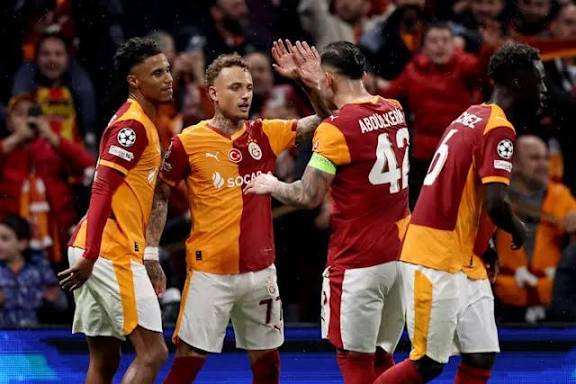
Moments of hesitation and rushed execution were evident throughout the evening. Benfica missed opportunities to extend pressure periods. Dortmund’s late defensive errors. Monaco’s occasional breakdowns under PSG’s pressing surges.
Pressure rarely announces itself loudly. It appears through slightly delayed passes, mistimed tackles, or conservative choices in promising positions. Champions League intensity magnifies these micro-decisions.
Teams comfortable under pressure maintain clarity. Teams unsettled by it often unravel through small, cumulative mistakes rather than obvious collapse.
As the knockout rounds progress, tonight’s patterns will only grow more pronounced. Margins tighten, pressure intensifies, and matches increasingly reward emotional control as much as technical quality. At this level, games are not just played. They are managed, endured, and psychologically navigated