 AFCON 2025



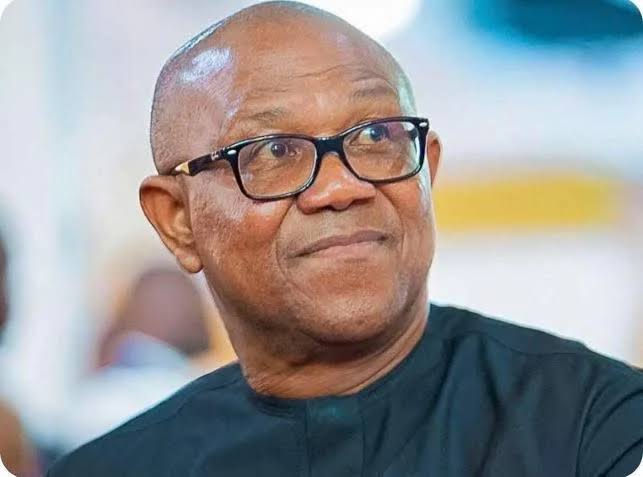
Nigeria’s historic triumph at the 2026 FIFA U-17 Women’s World Cup has been overshadowed by a political controversy following an exchange between former Anambra State governor Peter Obi and the National Sports Commission (NSC) over an alleged attempt to welcome the victorious Flamingos at the Abuja airport.
The controversy followed Nigeria’s 2-1 victory over Japan in the final on November 7 at the Mohammed VI Football Complex in Rabat, Morocco, where the Flamingos became the first African nation to win the FIFA U-17 Women’s World Cup.
Goals from Awawu Bashiru and Oluebube Umejiaku secured the historic victory, as Nigeria completed an impressive campaign after recovering from an opening defeat to Poland.
The team also recorded victories over North Korea, Mexico, Venezuela and Brazil on their way to the final.
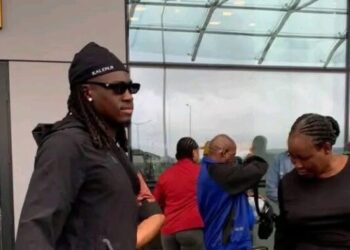
However, their return to Nigeria on November 9 became the subject of a political dispute after Obi alleged that officials prevented him from personally congratulating the players at the Nnamdi Azikiwe International Airport, Abuja.
Peter Obi alleges political interference
In a statement titled “A New Dimension of Toxic Politics in Nigeria,” Obi, the Nigeria Democratic Congress (NDC) presidential candidate, said he was at the airport preparing to board a flight to Enugu when he noticed the Flamingos arriving from Morocco.
According to him, he instructed his protocol officer, Jackie Wayas, to approach officials and seek permission for him to greet and congratulate the players.
Obi claimed that his request was rejected by Nigeria Football Federation (NFF) officials, who allegedly said they could lose their jobs if they allowed him to meet the team.
He described the incident as another example of growing political intolerance, linking it to a similar experience he claimed to have had during Nigeria’s 1-1 draw against Zimbabwe in a 2026 FIFA World Cup qualifier in Uyo on March 25, 2025.
Obi alleged that despite being received by the Akwa Ibom State governor at the VIP stand, he was subsequently prevented from greeting the Super Eagles players, while other government officials were allowed access.
He argued that national sporting achievements should unite Nigerians regardless of their political affiliations and questioned why an ordinary gesture of goodwill towards the country’s athletes had become a source of political tension.
NSC rejects Obi’s account
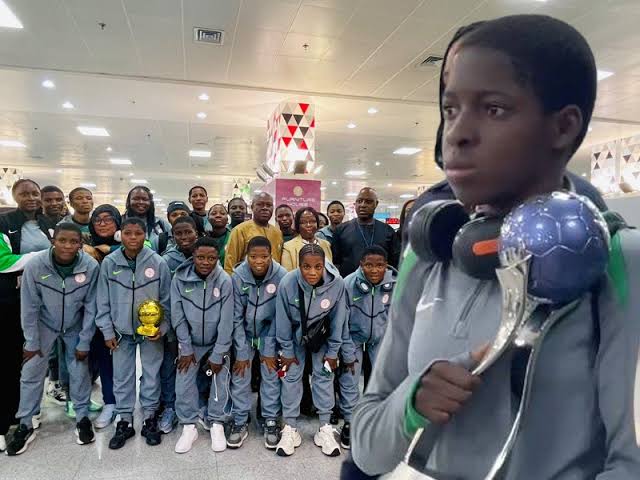
The National Sports Commission, through its chairman, Shehu Dikko, however, rejected Obi’s allegations, insisting that its officials and representatives of the NFF who received the Flamingos did not see the former Anambra governor at the international arrival terminal.
In its response, the commission stated that two individuals wearing Peter Obi campaign face caps and other campaign-related attire approached officials requesting an opportunity for Obi to meet the players and take photographs with them.
The NSC said the request was declined because there had been no prior arrangement, adding that the players had just returned from a demanding tournament and were tired after arriving at approximately 5:30 a.m.
Dikko maintained that the decision was taken in the interest of the players’ welfare and safeguarding, particularly because the Flamingos are minors who should not be drawn into political activities.
The commission also dismissed suggestions that access to the players was restricted, claiming that other passengers and members of the public freely celebrated with the team, took photographs and exchanged pleasantries with the players.
It further questioned Obi’s account of being physically present at the international terminal, noting that he had indicated he was heading to the domestic terminal to board his flight to Enugu.
The NSC described the incident as a non-issue that had been turned into a political controversy and urged Obi to apologise to the players for what it said had soured their moment of glory.
Dikko revisits Super Eagles incident in Uyo
The NSC chairman also addressed Obi’s earlier allegation involving the Super Eagles following their World Cup qualifier against Zimbabwe in Uyo.
Dikko said he was seated in the same row as Obi and several state governors during the match, which ended in a disappointing 1-1 draw.
According to him, the players declined visits from dignitaries after the game because they wanted to hold an immediate team meeting to discuss the result.
He added that no official, including himself, the governors or senior NFF officials, was allowed into the dressing room.
A triumph overshadowed by controversy
The disagreement has raised questions about the intersection of politics and Nigerian sports, particularly the management of national team celebrations and access to players following major achievements.
While Obi maintains that he was prevented from congratulating the Flamingos because of his political identity, the NSC insists that the decision had nothing to do with politics and was based on the absence of prior arrangements and the need to protect the young players.
Aviation Minister Festus Keyamo also weighed into the controversy, questioning Obi’s interest in associating himself with the team’s achievement in light of his frequent criticisms of the country.
For the Flamingos, however, the achievement remains historic. Their victory over Japan secured Nigeria’s place in history as the first African country to lift the FIFA U-17 Women’s World Cup trophy.
Yet, instead of the team’s remarkable achievement dominating conversations following their return, the circumstances surrounding their reception have sparked a fresh political debate.