 AFCON 2025


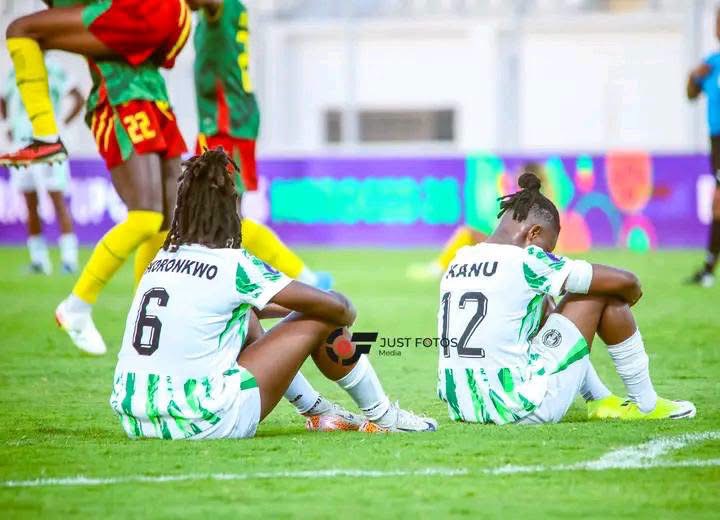
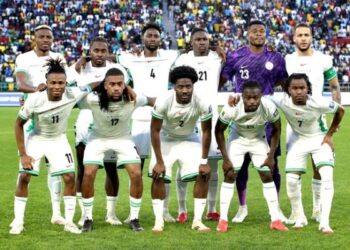
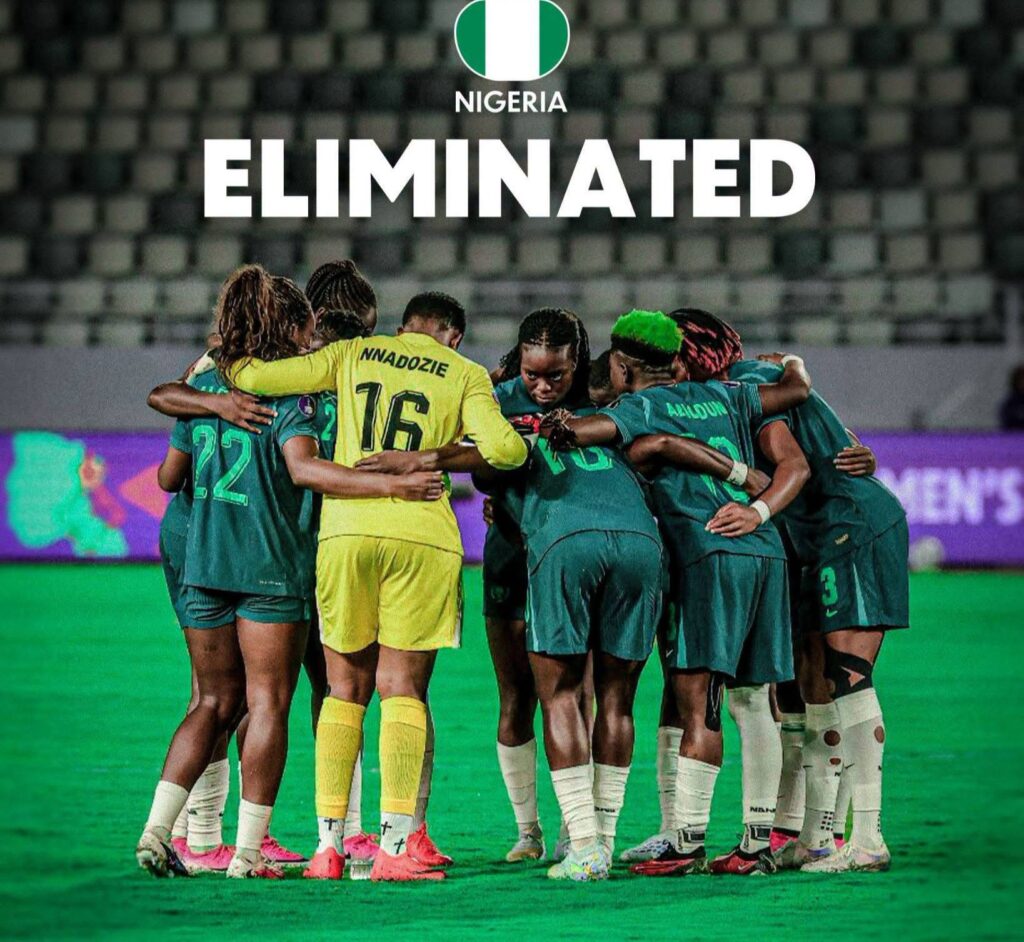
Nigeria’s hopes of qualifying for the 2027 FIFA Women’s World Cup have suffered a major setback after the Super Falcons were knocked out of the 2026 Women’s Africa Cup of Nations by Cameroon.
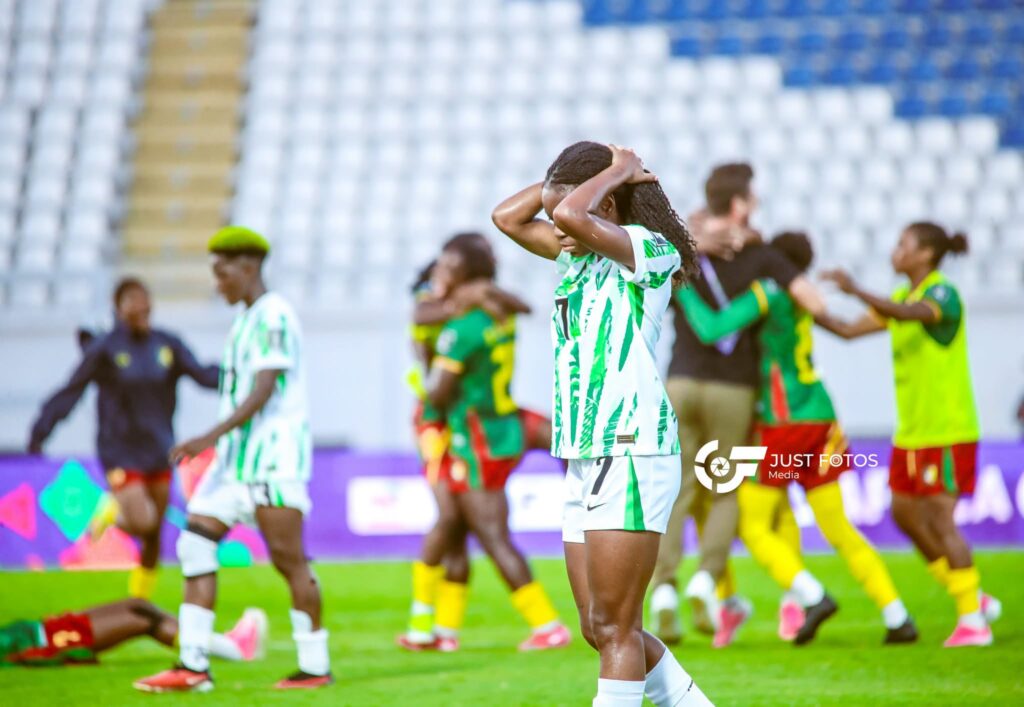
The Super Falcons lost 1-0 to the Indomitable Lionesses in Sunday’s quarter-final at the Stade Larbi Zaouli in Casablanca, ending their run in the competition and, more importantly, denying them the chance to secure one of Africa’s automatic World Cup tickets.
Nigeria went into the quarter-final as favourites, having dominated the history of the WAFCON. The nine-time African champions had never finished outside the top four in the competition’s previous 13 editions.
That record, however, came to an abrupt end against a disciplined Cameroon side.
Myriam Nyadjou scored the only goal of the game in the 18th minute, curling a superb free-kick beyond the reach of the Nigerian goalkeeper.
The Super Falcons pushed for an equaliser but struggled to break down a well-organised Cameroonian defence, leaving them with a defeat that has significantly complicated their path to the 2027 World Cup.
Nigeria can still qualify
Despite the quarter-final exit, Nigeria’s World Cup hopes are not over.
The Super Falcons must now take the longer playoff route to secure one of Africa’s remaining places at the tournament.
Their immediate task is a crucial playoff against South Africa on Thursday.
Nigeria must beat the reigning African champions to earn one of Africa’s two places in the inter-confederation playoffs. The other African spot will go to the winner of the tie between Ghana and Ivory Coast.
The stakes could hardly be higher.
A defeat to South Africa would end Nigeria’s hopes of reaching the 2027 Women’s World Cup, while victory would keep them within touching distance of qualification.
A difficult road to Brazil
If Nigeria overcome South Africa, the Super Falcons will advance to the inter-confederation playoff tournament, which provides the final route to the World Cup.
The first phase of the tournament is scheduled for November and December 2026 at a neutral venue.
Six teams will take part in that phase, with Africa represented by Nigeria or South Africa and either Ghana or Ivory Coast. The other participants will come from Asia, South America and Oceania.
Only the top two teams from the opening phase will advance to the final stage in February 2027.
They will then be joined by teams from CONCACAF, CONMEBOL and UEFA, with six teams drawn into three knockout paths.
The winner of each path will claim one of the final three World Cup places available through the playoff tournament.
For Nigeria, that means the road to the World Cup has suddenly become considerably longer.
Instead of securing qualification by reaching the WAFCON semi-finals, the Super Falcons must now win their way through a series of high-pressure matches against teams from different confederations.
South Africa stands between Nigeria and another chance
Before Nigeria can worry about the inter-confederation playoffs, they must first deal with a familiar opponent.
South Africa are also among the leading teams in African women’s football and have developed a fierce rivalry with the Super Falcons in recent years.
The Thursday clash therefore carries consequences far beyond a battle for a place in the WAFCON semi-finals.
For Nigeria, it is now effectively a World Cup qualification match.
The Super Falcons have never had to use this route to reach the Women’s World Cup before. Their traditional path has been through their performances at the WAFCON, where they have consistently been among Africa’s strongest teams.
Cameroon’s victory has changed that.
Nigeria’s remarkable WAFCON record has been broken, but their World Cup dream remains alive.
The Super Falcons now have one more opportunity to keep it that way and it starts with beating South Africa.