
 AFCON 2025


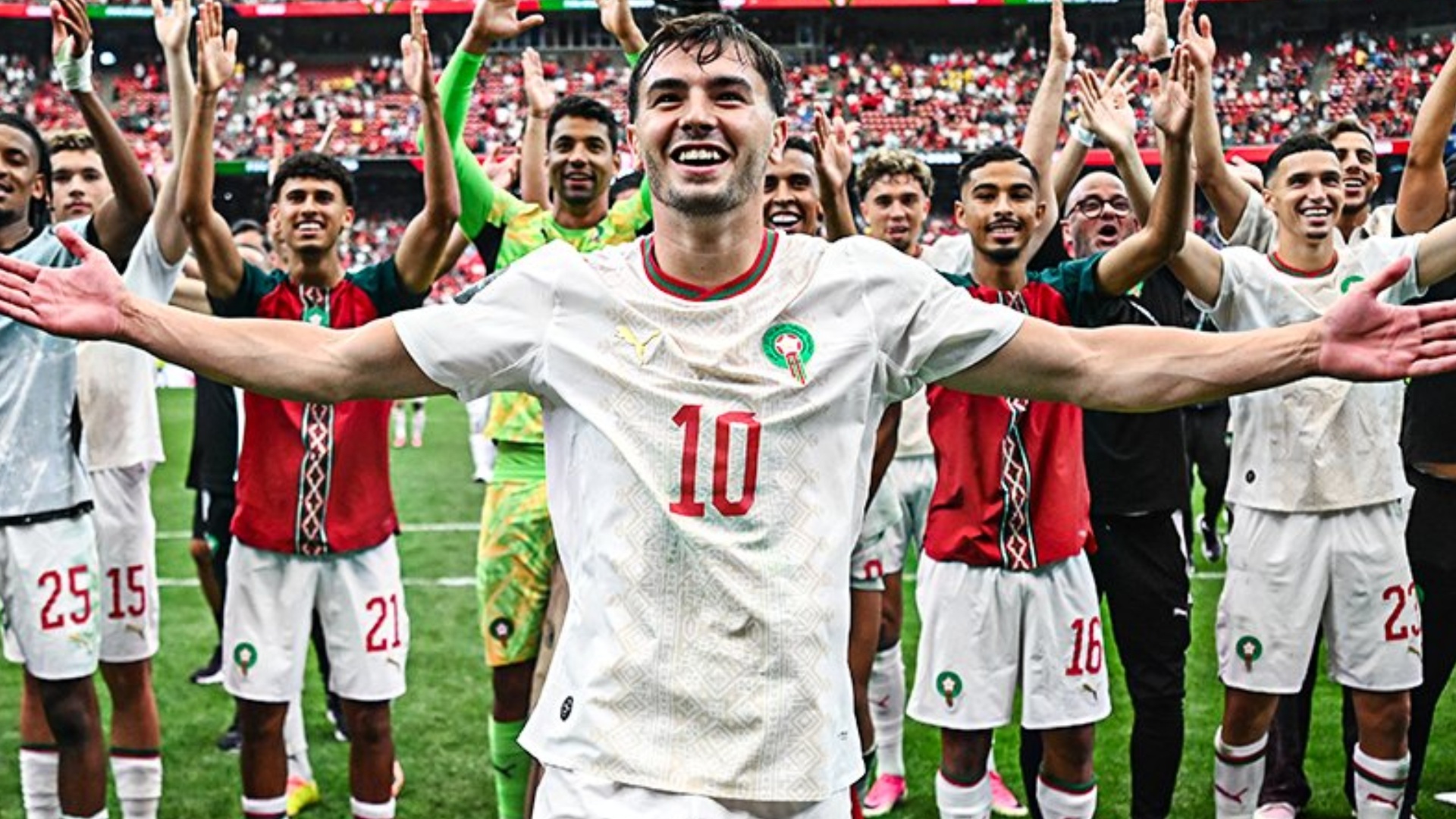
Morocco once again proved why they are one of the most dangerous teams on the international stage, producing a commanding second-half performance to defeat co-hosts Canada 3-0 and book their place in the quarter-finals of the 2026 FIFA World Cup.
Playing at NRG Stadium in Houston on Saturday, the Atlas Lions weathered Canada’s energetic start before taking complete control after the break.
A brilliant brace from Azzedine Ounahi and a late strike from Soufiane Rahimi ensured Morocco’s dream of another deep World Cup run remains alive, while Canada’s historic campaign came to an emotional end.
Here are three key lessons from the Round of 16 encounter.
1. Morocco Know How to Win Knockout Football
The first half offered little separation between the two sides, with Canada matching Morocco’s intensity and refusing to allow clear-cut opportunities.
However, elite knockout teams often find another level after halftime; and Morocco did exactly that despite not even being the better side going into the second half.
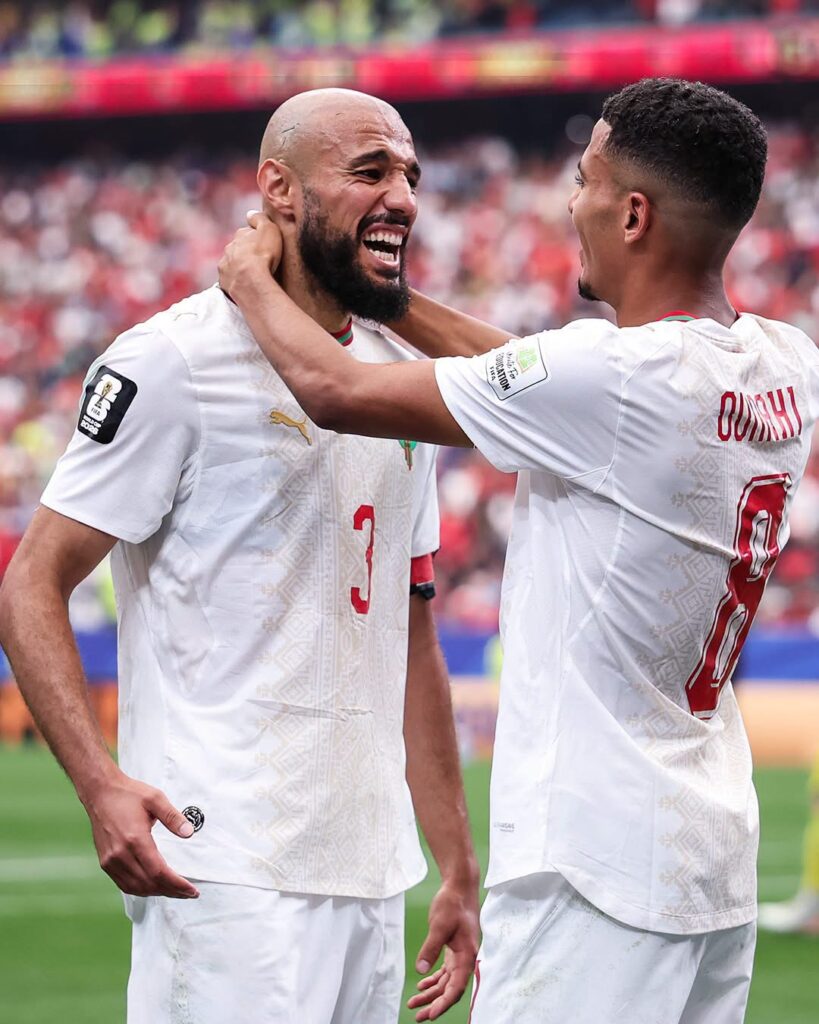
Ounahi broke the deadlock shortly after the restart following a cleverly worked set-piece involving Achraf Hakimi before adding his second on a devastating counter-attack in the 82nd minute. Rahimi completed the rout deep into stoppage time after being set up by Brahim Díaz.
The performance showed Morocco’s tactical maturity, patience, and ability to punish opponents when opportunities arise. Rather than forcing the game early, Walid Regragui’s men remained composed, trusted their quality, and overwhelmed Canada when the game opened up.
2. Canada’s Progress Is Real, But So Is the Gap to the Elite
Canada leaves the tournament with plenty to celebrate despite the painful defeat.
Under Jesse Marsch, the co-hosts reached the knockout stage of the World Cup for the first time, a significant milestone that reflects the nation’s growing stature in international football.
Against Morocco, they displayed energy, commitment, and defensive organisation during long spells of the match. Yet when it mattered most, they lacked the cutting edge needed to trouble one of the tournament’s strongest defensive units.
Their inability to convert possession into meaningful chances exposed the difference between emerging football nations and teams accustomed to competing in the latter stages of major tournaments.
The experience, however, provides a valuable foundation for the future, with Canada’s young squad likely to benefit enormously from this campaign.
3. The Small Moments Decide Big Matches
World Cup knockout football is often determined by moments rather than prolonged dominance, and Morocco demonstrated exactly why attention to detail is crucial.
The opening goal came from a brilliantly executed set-piece routine, immediately shifting momentum in Morocco’s favour. As Canada searched for an equaliser, the Atlas Lions exploited the spaces left behind, striking clinically on the counter through Ounahi before Rahimi added further gloss to the scoreline late on.
Canada, meanwhile, struggled both to defend these decisive moments and to create similar opportunities of their own.
With the victory, Morocco advances to the quarter-finals, where they will face the winner of France versus Paraguay, carrying renewed belief that another memorable World Cup run is well within reach.