 AFCON 2025


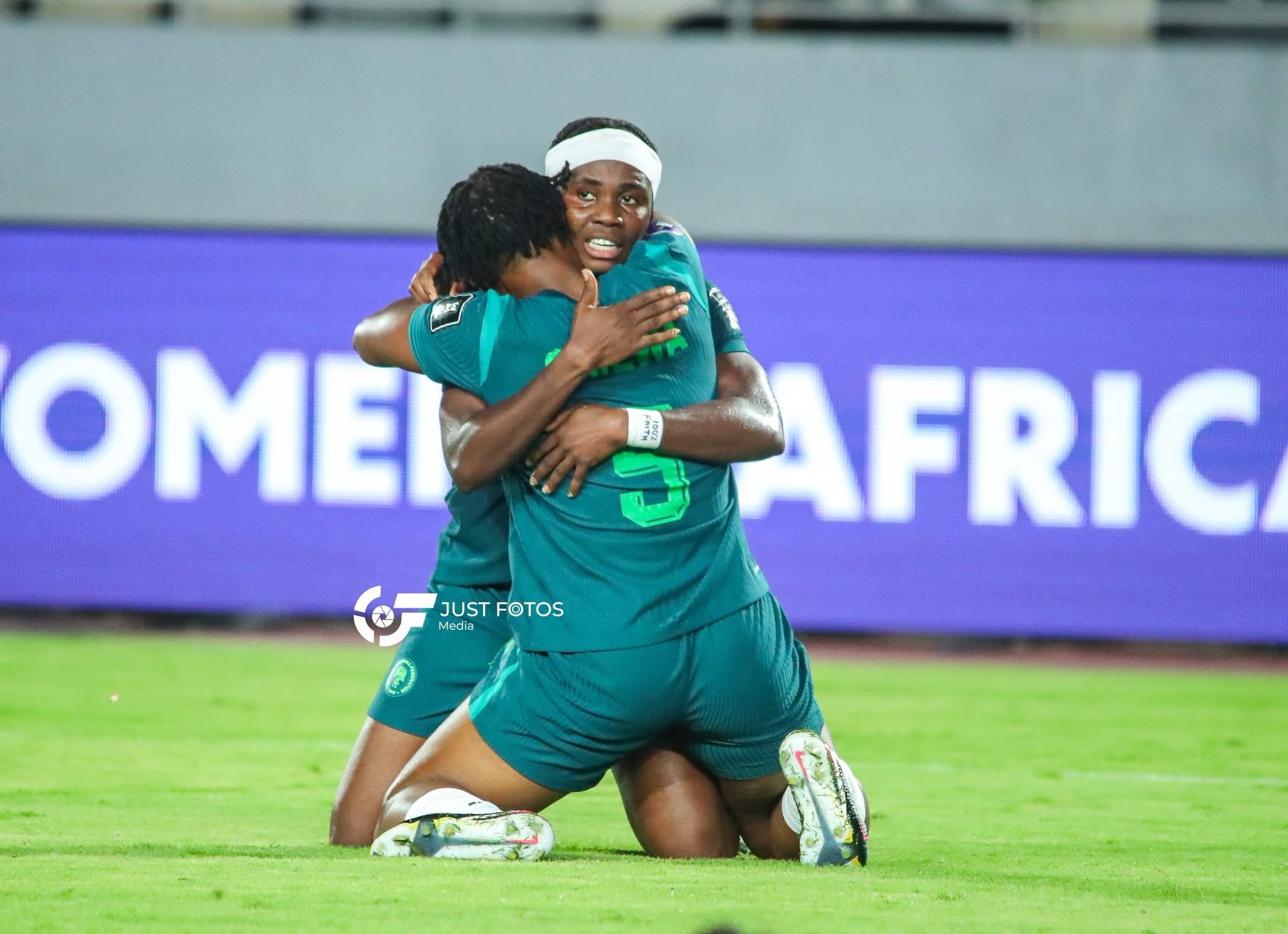
The Super Falcons rediscovered their attacking swagger in emphatic fashion on Wednesday night, humbling Egypt 6-2 at the Stade Olympique de Rabat to seal qualification for the quarter-finals of the 2026 Women’s Africa Cup of Nations (WAFCON).
With their campaign hanging in the balance after a disappointing opening defeat to Malawi and a hard-fought win over Zambia, Nigeria delivered their most complete performance of the tournament. The 10-time African champions combined clinical finishing, attacking fluidity and mental resilience to overwhelm the Pharaohs and remind the rest of the continent why they remain one of Africa’s most successful women’s football nations.
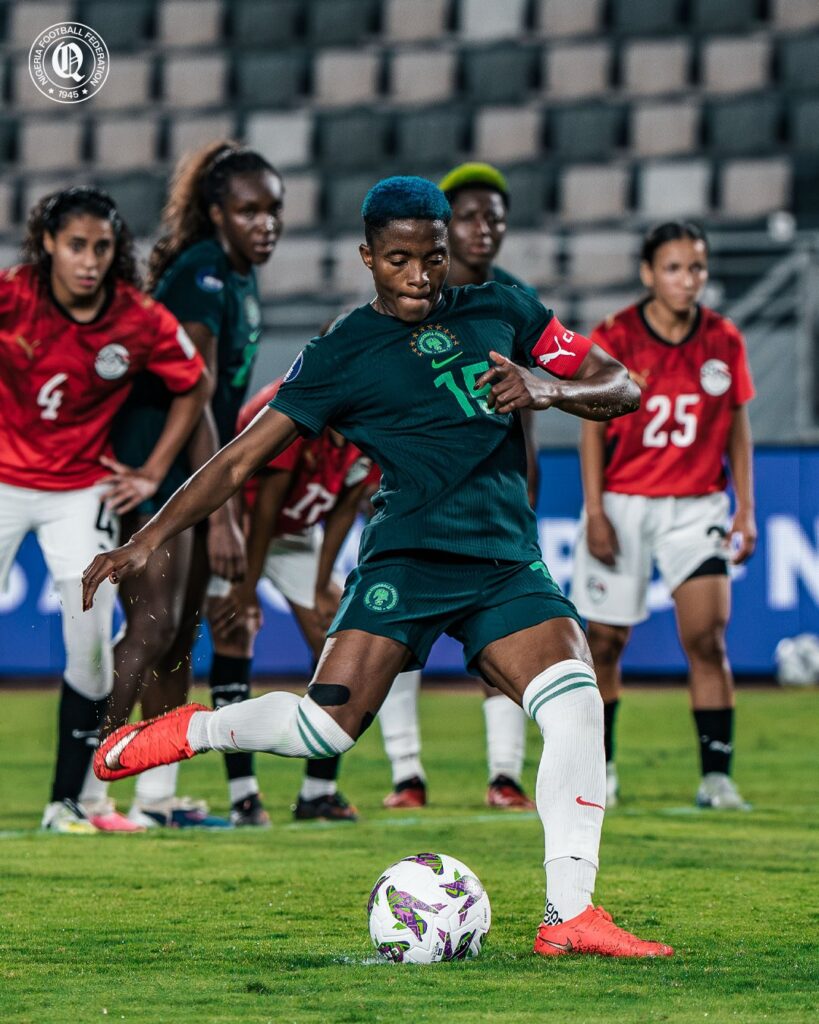
Asisat Oshoala opened the scoring from the penalty spot after a VAR review in the 21st minute before Gift Monday doubled the advantage in first-half stoppage time from a Rinsola Babajide assist. Egypt reduced the deficit through Nadine Ghazi’s penalty just before the interval, but Nigeria took complete control after the break.
Uchenna Kanu, Christy Ucheibe, Rasheedat Ajibade and Joy Omewa all found the back of the net in an impressive second-half display, while Ghazi grabbed her second goal of the evening for Egypt. Nigeria dominated possession with 59 per cent of the ball, registered 25 shots compared to Egypt’s five, and secured second place in Group C to book their place in the knockout stages.
Here are three major talking points from the Super Falcons’ statement victory.
Attacking Depth Continues to Set Nigeria Apart
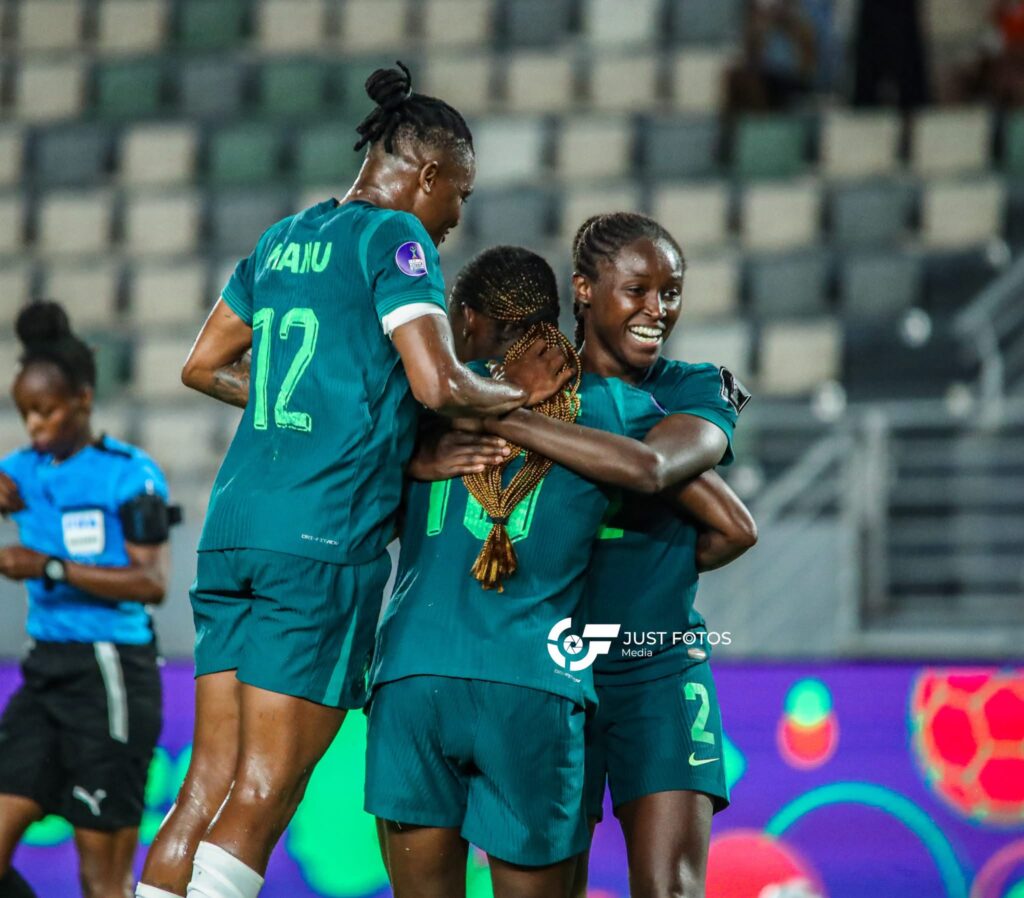
Perhaps the biggest positive from the victory was the variety of Nigeria’s attacking threats. Rather than relying on one player, the Super Falcons saw six different goals come from six different moments of quality, showing the depth that has long been one of the team’s greatest strengths.
Oshoala calmly converted from the penalty spot before an injury forced her off, yet her absence barely disrupted Nigeria’s rhythm. Gift Monday came off the bench to score her first goal of the tournament, while Uchenna Kanu also made an immediate impact after her introduction.
Captain Rasheedat Ajibade once again led by example with a composed penalty, Christy Ucheibe showed remarkable composure from the spot, and Joy Omewa rounded off the scoring with a deserved late goal.
Equally impressive was Rinsola Babajide’s creative influence. Her two assists demonstrated the vision and quality she provides in the final third, constantly stretching Egypt’s defensive line and creating opportunities for her teammates.
Composure Amid Pressure Shows a Team Growing in Confidence
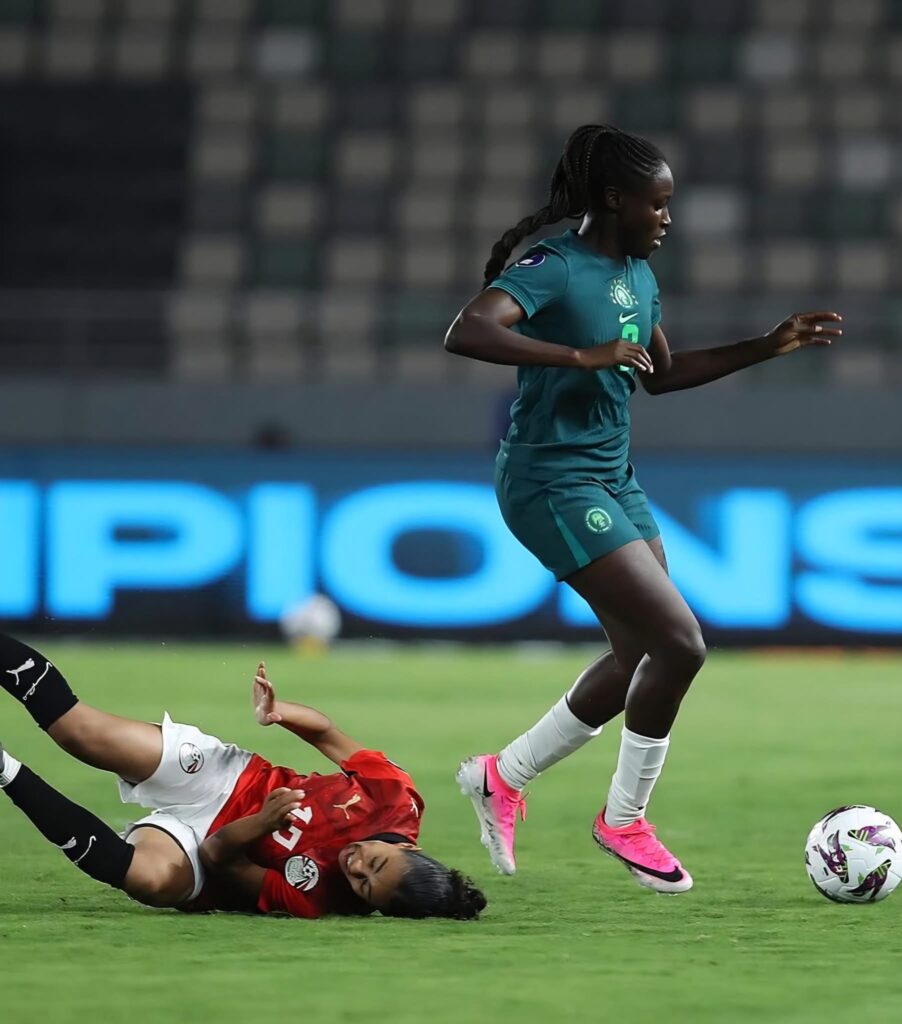
The scoreline may suggest a comfortable evening, but the match carried significant pressure from start to finish.
Qualification scenarios changed throughout the contest as news filtered through from the simultaneous Group C encounter between Zambia and Malawi. Nigeria knew there was little room for complacency, and every goal carried added importance in the live standings.
The encounter itself was far from straightforward. VAR intervened on multiple occasions, both teams were awarded penalties, and the game became increasingly physical as yellow cards accumulated. Egypt twice found ways back into the contest through Nadine Ghazi, threatening to unsettle Nigeria’s rhythm.
Instead, the Super Falcons responded with maturity.
Rather than allowing momentum to shift, they maintained control of possession, continued to create chances and remained ruthless whenever opportunities presented themselves. Their response reflected a team that has learned valuable lessons from its difficult opening defeat to Malawi.
Egypt Showed Spirit but Nigeria Exposed the Difference in Quality
Although Egypt leave the tournament without a point, the final score should not completely overshadow their fighting spirit.
Nadine Ghazi was a standout performer, scoring twice and consistently asking questions of the Nigerian defence. Her movement and finishing provided moments of encouragement for a side determined to compete despite facing one of the tournament favourites.
However, the match also exposed the areas Egypt must improve if they are to challenge Africa’s elite.
Repeated defensive errors allowed Nigeria to create chance after chance, while the concession of multiple penalties highlighted lapses in concentration inside the penalty area. Egypt struggled to cope with Nigeria’s movement, pace and creativity, particularly once the Super Falcons increased the tempo after halftime.
Against opponents with Nigeria’s attacking quality, those defensive shortcomings were always likely to prove costly.
For Egypt, the campaign ends with valuable lessons and experience. For Nigeria, it ends with renewed belief.