
 AFCON 2025


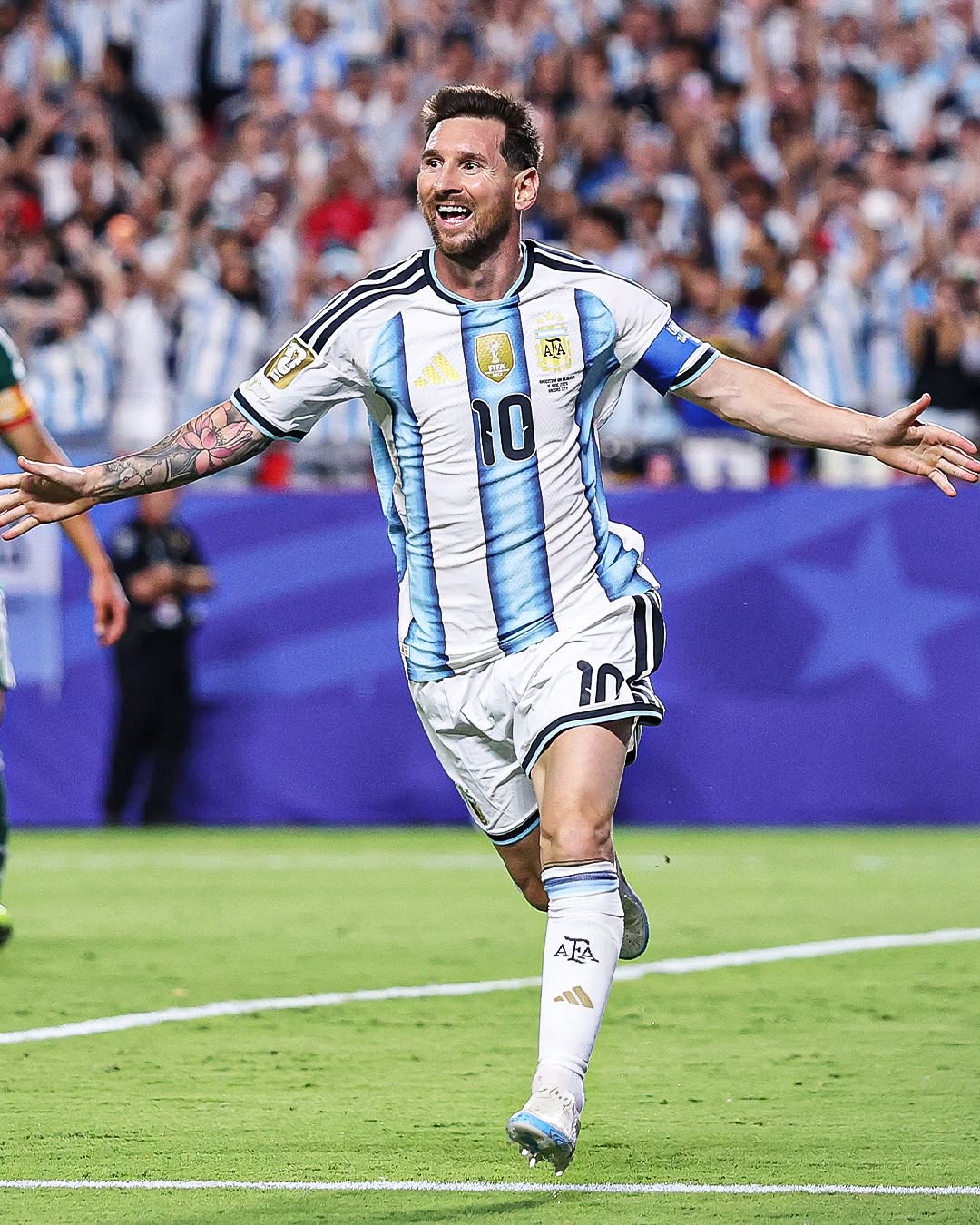
Lionel Messi produced a historic hat-trick as Argentina defeated Algeria 3-0 in their opening match of the 2026 FIFA World Cup. While the football world celebrated another masterclass from the Argentine legend, one controversial moment has continued to dominate discussions.
Messi escaped punishment after a dangerous challenge on Algerian defender Aïssa Mandi, despite the incident being reviewed by VAR. Here are three reasons why the Argentina captain should have been shown a red card.
1. The Tackle Clearly Endangered Mandi’s Safety
One of the key considerations for referees when judging serious foul play is whether a challenge endangers an opponent.
Messi’s studs made direct contact with the back of Mandi’s calf and Achilles area, one of the most vulnerable parts of a player’s leg. The challenge was late, forceful, and carried a significant risk of injury.
Modern football has become increasingly strict on tackles involving studs above the ankle, and many similar incidents have resulted in straight red cards.
2. The Laws of the Game Support a Dismissal
According to IFAB’s Laws of the Game, serious foul play occurs when a player uses excessive force or brutality while challenging for the ball.
Messi’s challenge ticked several boxes commonly associated with red-card offences: exposed studs, forceful contact, and a high degree of danger to an opponent.
The fact that Mandi was able to continue playing does not change the nature of the challenge. Referees are expected to judge the action itself, not the injury outcome.
3. VAR Reviewed the Incident and Still Failed to Correct the Decision
The most controversial aspect of the incident is that VAR had the opportunity to intervene.
Officials reviewed the challenge from multiple angles but ultimately allowed the on-field decision to stand. Messi was not shown a yellow card or a red card.
Many observers believe the review process should have resulted in a dismissal given the nature of the contact. Instead, the decision fuelled accusations of inconsistency and raised questions about whether the same leniency would have been shown to a less high-profile player.