
 AFCON 2025


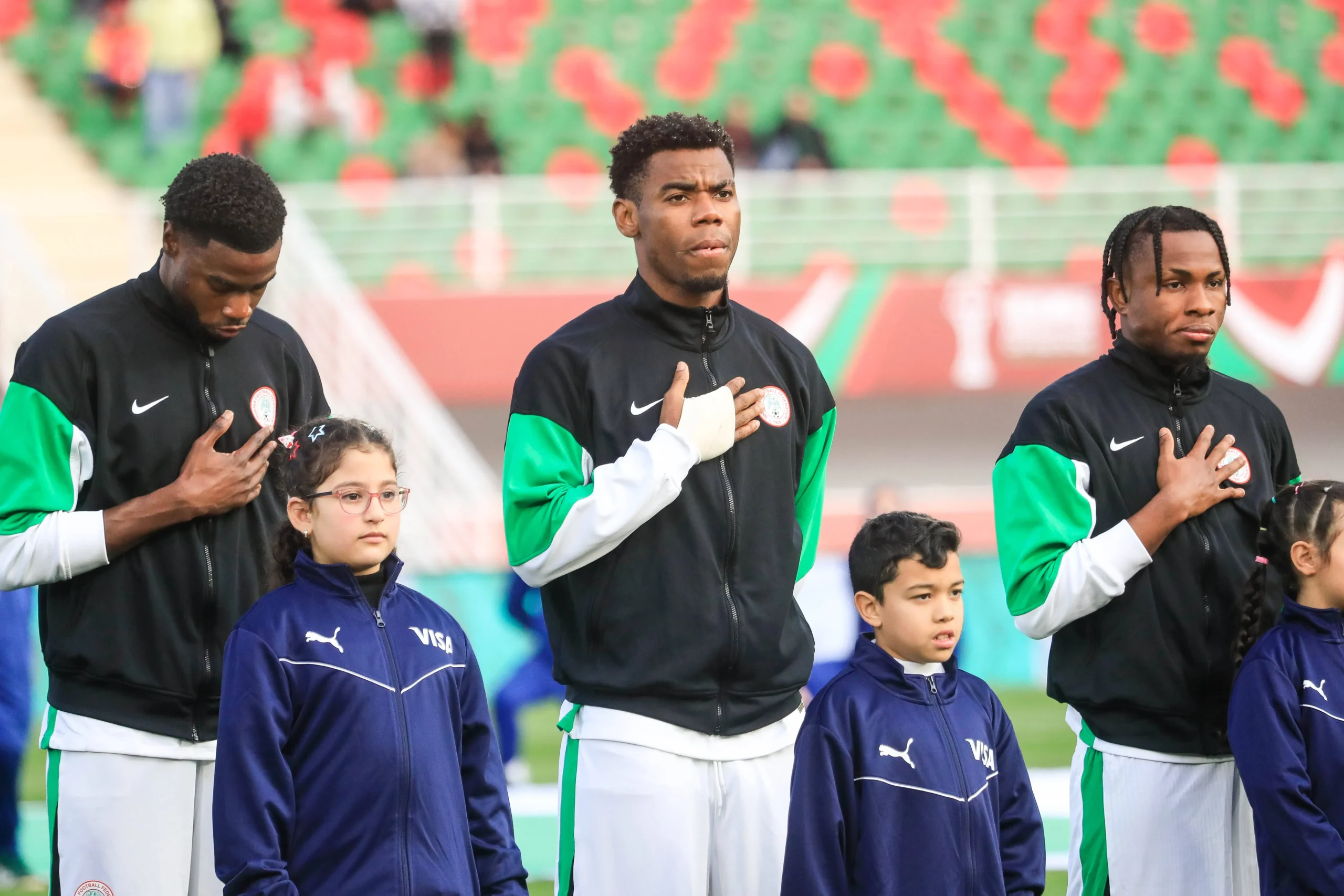
Nigeria’s 2–1 victory over Iran in Turkey might have looked like yet another victory on paper. But the Super Eagles have just shown they are a better side than Iran.
Having played three matches against each other, Nigeria has managed two wins out of the three games. While both have settled for a draw, Iran has still not found how to defeat Nigeria
It was a game that revealed how the Super Eagles are evolving, what is working, and what still needs attention as preparations continue.
The match offered these three clear lessons.
1. Nigeria Can Start Fast; But Must Sustain It
Nigeria showed urgency from the first whistle.
The early goal from Moses Simon in the 6th minute set the tone and gave the team control. The movement was sharp, the passing was direct, and Iran struggled to settle.
But that intensity dropped as the game went on. Iran grew into the match and found a way back before halftime.
Despite leading by 2 goals already, Iran continued to push for the equalizer after scoring their only goal. It would have ended a draw if they were more persistent.
The lesson is simple. Starting well is not enough. Nigeria must learn to maintain that same level across both halves.
2. The Attack Is Becoming More Balanced
Despite not playing with Victor Osimhen, Nigeria still managed to pick a win against Iran. This was one of Nigeria’s biggest positives.
The second goal showed a different side to the attack. Ademola Lookman created the chance, and Akor Adams finished it. Same with the first goal, an assist from Samuel Chukwueze and finished by Moses Simon. The attackers were heavily involved in the game.
It was not just about individual brilliance. It was about the connection that the team played with.
Nigeria looked more fluid going forward, with players combining better rather than relying on one moment or one player. That balance could be key going forward.
3. Game Management Still Needs Work
Even after going ahead again, Nigeria did not fully control the game.
Iran pushed late, and there were moments where the Super Eagles looked uncomfortable. The defence had to stay alert, and the team struggled at times to slow the tempo.
In tighter matches, that could be costly.
Managing the game, keeping possession, and reducing pressure are areas that still need improvement.