
 AFCON 2025


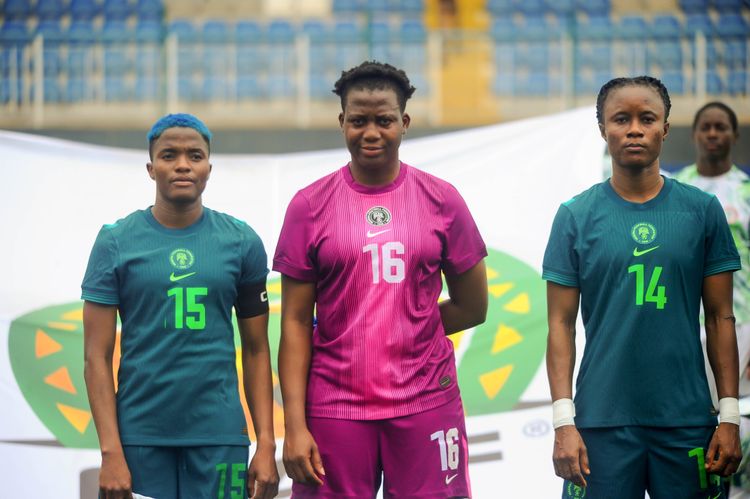
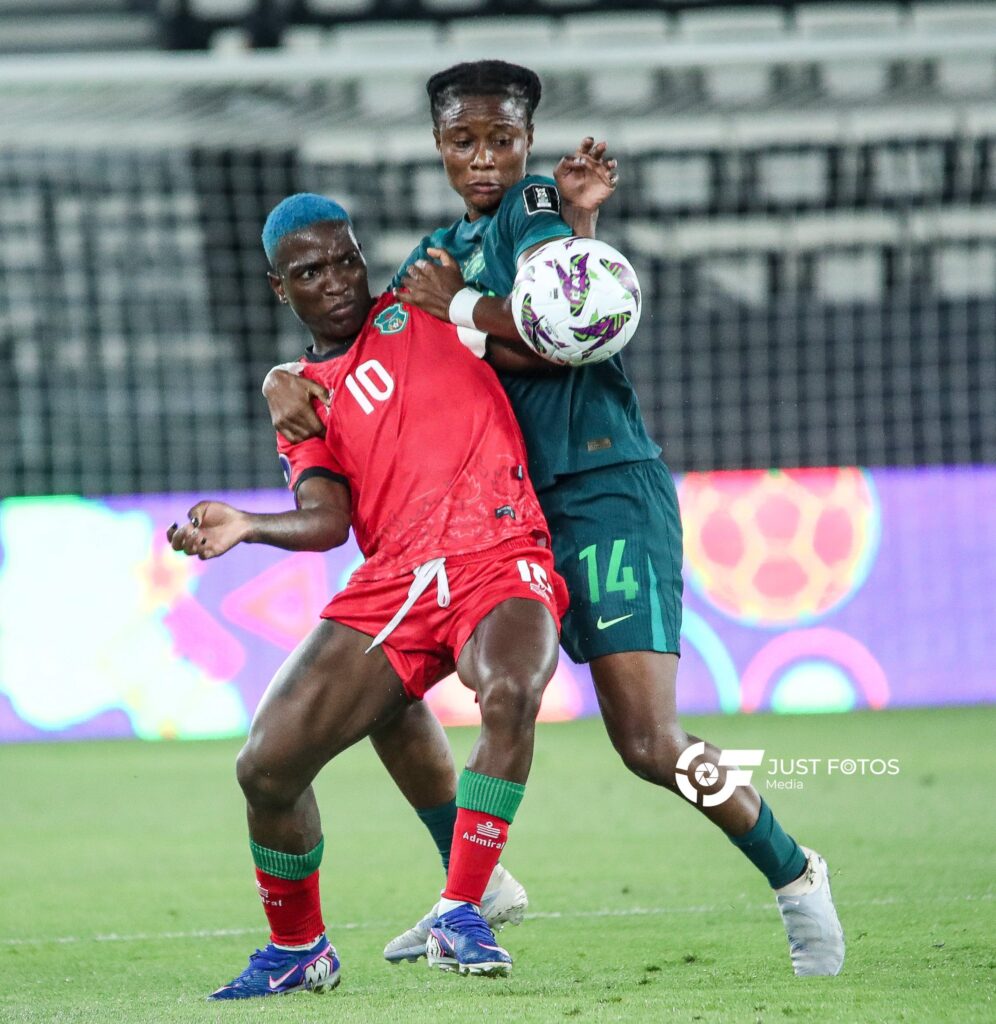
The Super Falcons have little time to dwell on the disappointment of their opening defeat. Nigeria’s 3-2 loss to tournament debutants Malawi has not only dented their title defence but also left them staring at the very real possibility of an early exit from the 2026 Women’s Africa Cup of Nations.
It was a result few saw coming. Despite enjoying long spells of possession and creating opportunities, the ten-time African champions were repeatedly exposed defensively and ultimately paid the price for costly lapses in concentration. With Zambia waiting next after their emphatic 6-0 demolition of Egypt, the margin for error has completely disappeared.
For head coach Justin Madugu and his players, Saturday’s encounter could determine whether Nigeria’s campaign remains alive or heads towards an unprecedented group-stage elimination.
Here are three key areas the Super Falcons must address before facing Zambia.
Defensive Stability Must Become the Priority
Nigeria’s biggest concern against Malawi was their defensive vulnerability whenever possession changed hands.
All three goals conceded highlighted similar problems. The back line struggled to recover quickly after losing possession, communication between the defenders and goalkeeper Chiamaka Nnadozie broke down at crucial moments, and large spaces consistently opened behind the defensive line.
Temwa Chawinga capitalised on those weaknesses, while Malawi repeatedly found success through quick transitions that caught Nigeria completely exposed.
Those same mistakes are unlikely to be forgiven by Zambia.
With Barbra Banda in sensational form after scoring four goals against Egypt, alongside the pace of Kundananji and the creativity of Chanda, the Copper Queens possess one of the most dangerous attacking units on the continent.
Madugu must prioritise restoring defensive compactness. The midfield needs to offer greater protection to the back four, while Nigeria’s full-backs must exercise better positional discipline to avoid leaving unnecessary spaces in transition.
The decision to deploy Michelle Alozie at left-back also warrants reconsideration after Nigeria struggled to maintain defensive balance on that flank against Malawi.
Unless those structural issues are corrected, the Super Falcons risk another difficult evening against a far more clinical opponent.
Greater Ruthlessness in Front of Goal
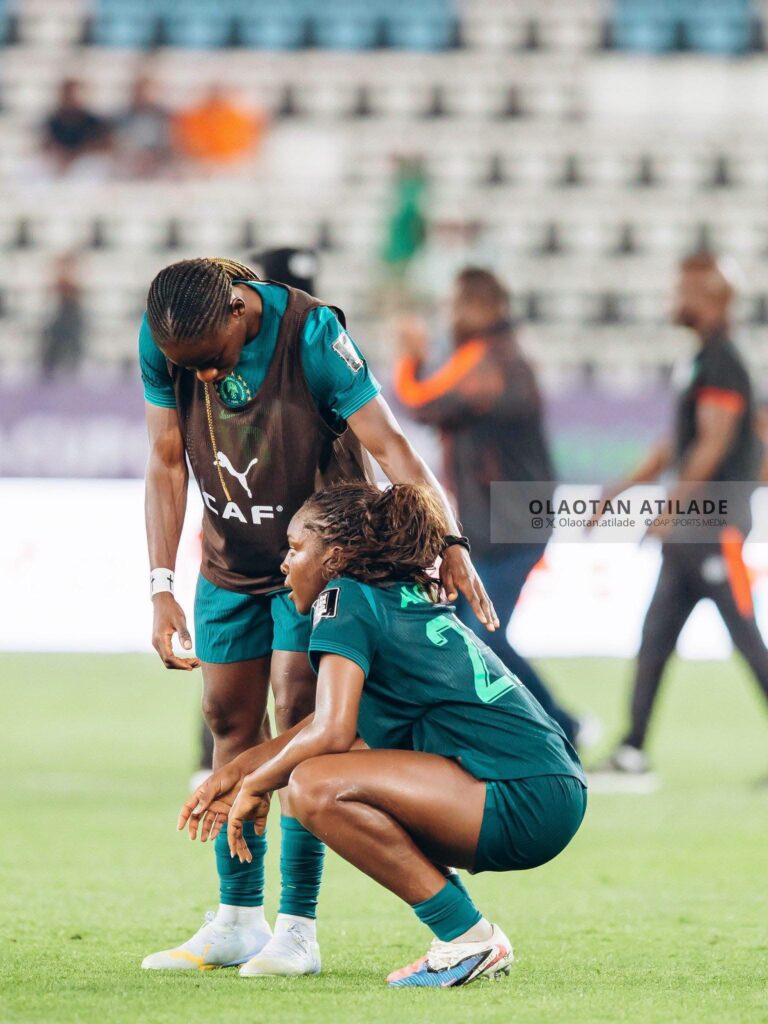
Although Nigeria eventually scored twice against Malawi, their attacking display lacked the efficiency expected from a team with so much attacking quality.
The Super Falcons controlled large portions of the first half but failed to convert their territorial dominance into meaningful reward. Too often, promising moves broke down because of poor decision-making in the final third, inaccurate final passes or wasteful finishing.
It took Rasheedat Ajibade’s penalty and Uchenna Kanu’s late strike before Nigeria finally found the breakthrough, by which time they were already chasing the game.
Against Zambia, another slow start in front of goal could prove fatal.
The attacking unit must show greater composure inside the penalty area, make more intelligent runs behind the defence and create higher-quality chances rather than relying on possession alone.
Madugu may also need to introduce experienced attacking options such as Asisat Oshoala earlier if Nigeria struggle to break down Zambia’s defence.
Possession without penetration will not be enough against opponents capable of punishing every mistake on the counterattack.
Faster Starts and Better In-Game Management
Perhaps the most frustrating aspect of Nigeria’s defeat was how long it took the team to raise their intensity.
Forward Esther Okoronkwo admitted afterwards that the Super Falcons “came out a little flat,” and that sluggish opening allowed Malawi to settle into the contest before growing in confidence.
Nigeria only began to play with real urgency during the closing stages, when they were already trailing.
Against Zambia, that approach is unlikely to succeed.
The Super Falcons must begin with greater aggression, press with purpose from the opening whistle and avoid allowing the Copper Queens to dictate the tempo.
Equally important will be Madugu’s tactical decisions during the match.
The timing of substitutions against Malawi attracted criticism, particularly the delayed introduction of attacking reinforcements when Nigeria desperately needed fresh energy.
Quicker tactical adjustments, proactive substitutions and a clearer response to changing situations could prove decisive in what promises to be a high-intensity encounter.
No More Room for Mistakes
Nigeria’s title defence now hangs in the balance.
Another defeat would leave qualification largely dependent on other results and place the Super Falcons dangerously close to an unthinkable early exit.
The quality within the squad remains unquestionable, but talent alone will not be enough against an in-form Zambia side playing with confidence and momentum.
If Nigeria can tighten their defensive structure, become more clinical in front of goal and approach the game with greater urgency from the outset, there is still every reason to believe they can revive their campaign.
Fail to address those shortcomings, however, and Saturday could mark the beginning of one of the most disappointing WAFCON campaigns in the Super Falcons’ illustrious history.