
 AFCON 2025



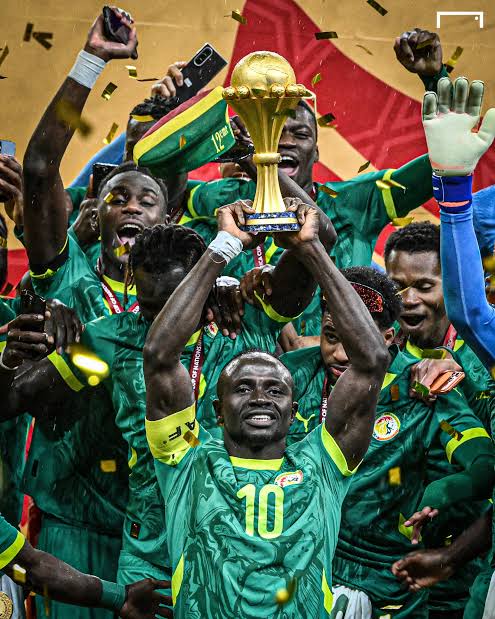
The Court of Arbitration for Sport has delivered its final verdict on the most controversial Africa Cup of Nations final in recent memory. Senegal are once again the official champions of AFCON 2025 after CAS unanimously upheld their appeal against the Confederation of African Football’s decision to strip them of the title.
Here is a clear, step-by-step breakdown of how the case unfolded and why the court ruled the way it did.
On 18 January 2026 in Rabat, Senegal defeated hosts Morocco 1-0 after extra time. Pape Gueye scored the winning goal. Late in normal time, referee Jean-Jacques Ndala awarded Morocco a penalty. Senegal’s players walked off the pitch in protest and remained off for approximately 14–15 minutes. They eventually returned, Édouard Mendy saved Brahim Diaz’s penalty, and the match continued to a conclusion.
CAF’s Disciplinary Board initially allowed the on-field result to stand. However, the CAF Appeals Board later overturned that decision, ruled that Senegal had forfeited the match under Articles 82 and 84 of the AFCON regulations, and awarded Morocco a 3-0 victory along with the title.
Senegal’s Football Federation (FSF) refused to accept the ruling and filed an appeal with CAS on 25 March 2026.
Senegal’s central argument was straightforward: the referee alone holds the authority to decide whether a match should continue or be abandoned. Once Ndala restarted the game after Senegal returned to the pitch, that decision became final. The federation maintained that the match had been completed under the referee’s control and that the result should stand.
The Royal Moroccan Football Federation argued that Senegal’s temporary walk-off breached the competition rules. They insisted Articles 82 and 84 should apply, treating the incident as a forfeit. Morocco also contended that the referee erred by allowing the match to resume.
Why CAS Ruled in Senegal’s Favour
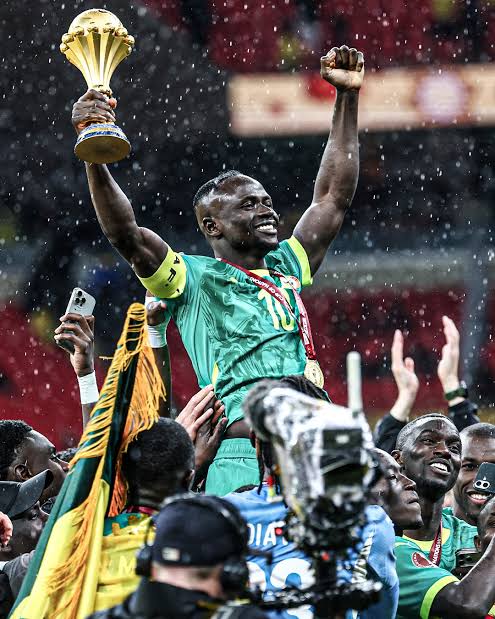
1. The referee’s decision is final
CAS confirmed that the decision to restart or stop a match belongs exclusively to the referee. When Ndala blew the whistle to resume play, both teams were back on the pitch and willing to continue. The panel held that this decision fell under the “field of play” doctrine and could not be reviewed by the administrative bodies in the manner CAF’s Appeals Board had done.
2. Articles 82 and 84 did not apply
CAS carefully examined the two regulations cited by CAF and Morocco. The court found that these articles are designed for situations in which a team’s conduct forces the referee to abandon a match permanently. In this case, the referee chose to restart the game and allowed it to reach a natural conclusion. Therefore, the forfeit provisions were not applicable.
3. No evidence of improper influence
While acknowledging the difficult conditions under which the referee operated, CAS found no proof that his decision to resume the match was influenced by factors outside the game itself. The panel concluded that the referee had not committed any error of law.
CAS also noted that Senegal’s federation, coach Pape Thiaw, and certain players had already faced separate disciplinary sanctions from CAF over the incident. Those punishments remained unaffected by this ruling.