
 AFCON 2025


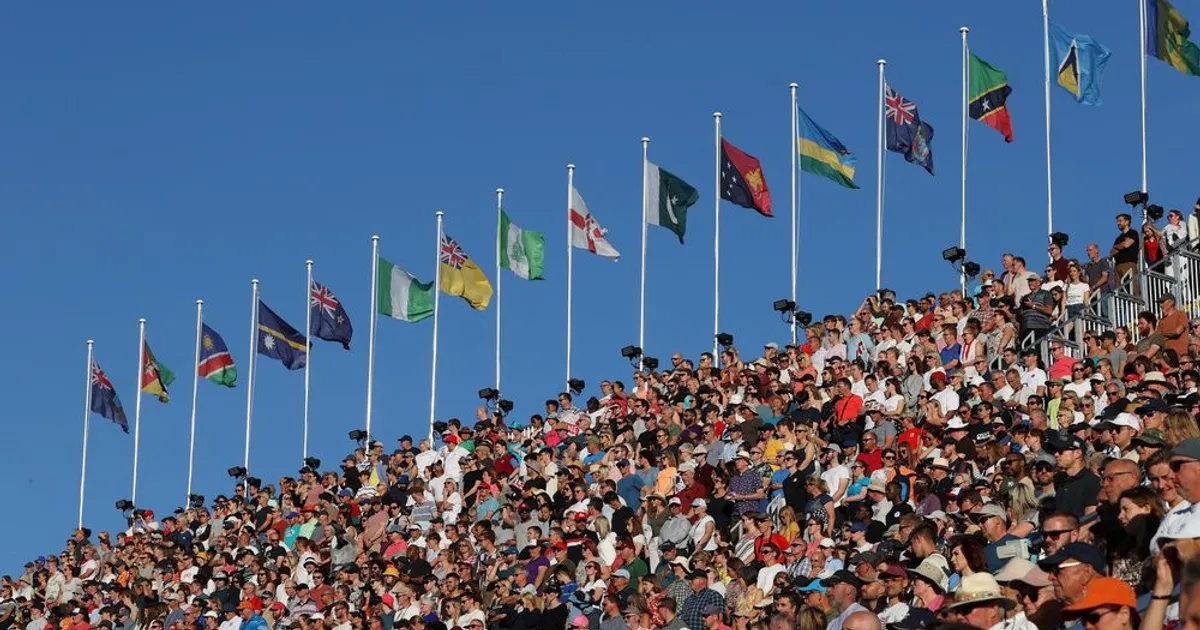
For nearly a century, the Commonwealth Games have stood as one of the world’s most enduring sporting events, bringing together athletes from across continents in a celebration of competition, culture, and camaraderie.
Often referred to as the “Friendly Games,” the event occupies a unique space in global sport. While it may not command the same worldwide attention as the Olympic Games or FIFA World Cup, it remains a significant platform where elite athletes compete for national pride.
As the Games continue to evolve in response to changing economic realities and sporting demands, here are five key things to know about the Common Wealth Games.
A Legacy That Dates Back Nearly 100 Years
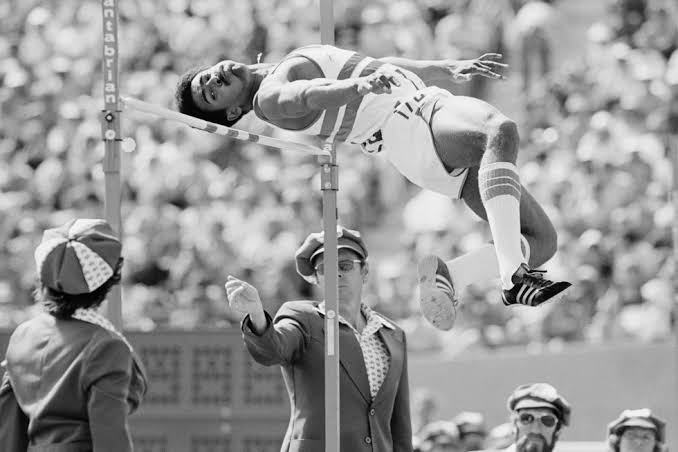
The Commonwealth Games trace their origins to 1930 when the inaugural British Empire Games were staged in Hamilton, Canada. The competition featured just 11 nations and approximately 400 athletes competing across six sports.
What began as a sporting gathering among nations of the British Empire gradually transformed into a modern international event reflecting the diversity of the Commonwealth. The Games were known as the British Empire and Commonwealth Games between 1954 and 1966 before officially becoming the Commonwealth Games in 1978.
Despite interruptions caused by World War II, the competition has largely maintained its four-year cycle, making it one of the oldest recurring multi-sport events in the world.
Over the decades, the Games have mirrored political and social changes within the Commonwealth itself. As new nations gained independence and joined the organization, the event expanded in size, reach, and significance.
Today, the Commonwealth Games serve as both a sporting spectacle and a symbol of shared history among nations spread across Africa, Asia, Europe, the Caribbean, the Pacific, and the Americas.
A Gathering of a Global Sporting Family
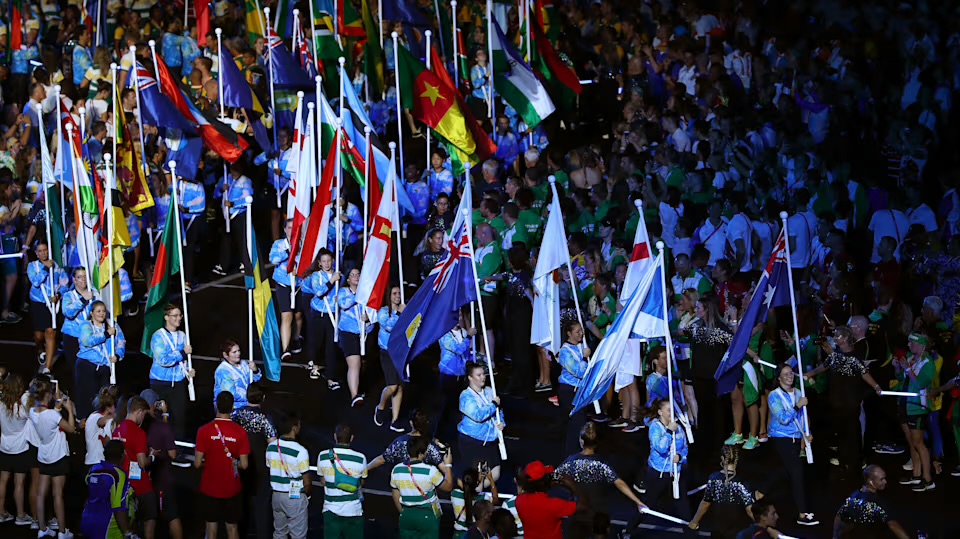
One of the defining features of the Commonwealth Games is its remarkable diversity.
Athletes compete from 54 Commonwealth member nations and a number of territories, creating a sporting family that represents nearly one-third of the world’s population.
Unlike many international events, the Games allow home nations of the United Kingdom; England, Scotland, Wales, and Northern Ireland to compete separately. This unique arrangement adds an extra layer of rivalry and excitement while maintaining the spirit of unity that defines the event.
The competition also provides smaller nations and island territories with opportunities to shine on a global stage. Countries that rarely feature prominently at the Olympics often find themselves competing for medals and recognition at the Commonwealth Games.
Equally important is the event’s commitment to inclusivity. Para-sport competitions have become a central part of the Games, showcasing elite athletes with disabilities alongside their able-bodied counterparts and reinforcing the Commonwealth’s commitment to equal participation.
More Than Medals
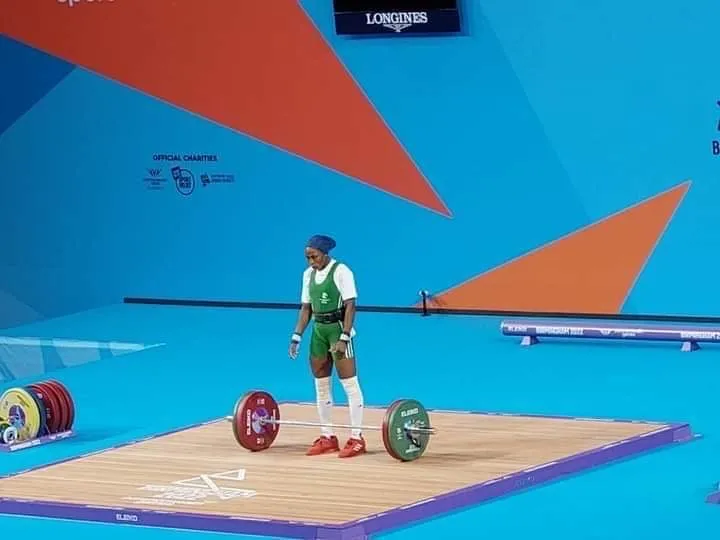
The Commonwealth Games have long embraced the nickname “The Friendly Games,” a title that shows a philosophy extending beyond medal tables and national rivalries.
Athletes frequently speak about the welcoming atmosphere, shared accommodation, and opportunities to interact with competitors from different cultures. While the desire to win remains fierce, the event places equal emphasis on mutual respect, understanding, and friendship.
For host cities, the Games often leave a lasting legacy. Infrastructure projects, sporting facilities, tourism growth, and employment opportunities are commonly cited benefits of hosting the event.
Recent editions have increasingly focused on sustainability and financial responsibility. Organizers have sought to reduce costs while maintaining the quality of competition, reflecting broader conversations about the future of major sporting events.
The evolving model demonstrates how the Commonwealth Games are adapting to modern realities while preserving the values that have defined them for generations.
Historic Champions and Unforgettable Moments
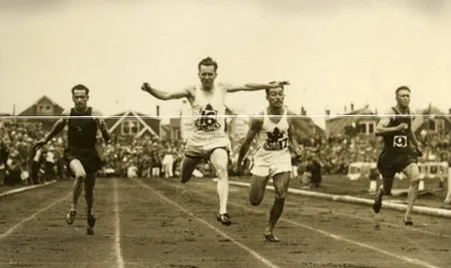
Few sporting events can match the Commonwealth Games for memorable moments and enduring rivalries.
Australia has established itself as the most successful nation in the history of the Games, accumulating thousands of medals across swimming, athletics, cycling, and numerous other sports. England and Canada have also consistently ranked among the leading performers.
India has emerged as a major force in recent decades, particularly in disciplines such as wrestling, weightlifting, badminton, and shooting, helping elevate the country’s profile within the Commonwealth sporting community.
Among the most iconic moments remains the legendary “Miracle Mile” of 1954, when Roger Bannister and John Landy became the first runners to face each other after breaking the four-minute mile barrier. The race remains one of the most celebrated contests in athletics history.
The Games have also served as a launchpad for future Olympic champions and world record holders. Many athletes have used Commonwealth success as a stepping stone to global stardom, while para-athletes have found a powerful platform to showcase excellence and inspire future generations.
A Competition Entering a New Era
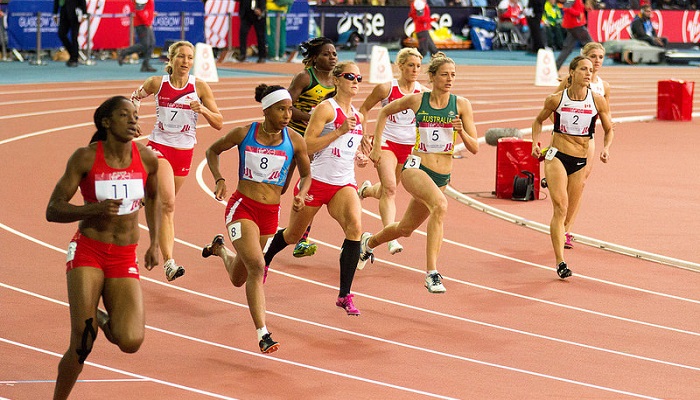
As the Commonwealth Games move toward their next chapter, the event faces both opportunities and challenges.
Rising hosting costs and changing priorities have forced organizers to rethink traditional models, leading to more streamlined competitions and greater emphasis on sustainability. Yet the Games continue to attract thousands of athletes and millions of viewers around the world.
The future of the Commonwealth Games will likely depend on balancing tradition with innovation. Organizers must preserve the unique identity of the event while ensuring it remains financially viable and relevant to younger generations.
What remains unchanged is the spirit at the heart of the competition. In an increasingly divided world, the Commonwealth Games continue to offer a rare platform where nations come together through sport, celebrating diversity, excellence, and shared values.
Nearly a century after athletes first gathered in Hamilton, the Friendly Games remain a powerful reminder that sport can build bridges across cultures, inspire communities, and create memories that endure far beyond the final medal ceremony.