 AFCON 2025


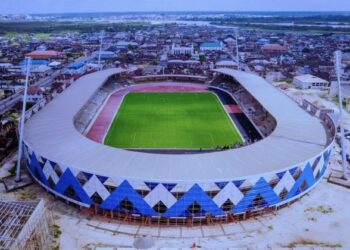
Nigeria begin their 2027 Africa Cup of Nations qualifying campaign on Friday when the Super Eagles host Madagascar at the Godswill Akpabio International Stadium in Uyo.
The Group L encounter kicks off at 4pm GMT (5pm Nigerian time) and represents Eric Chelle’s first competitive assignment in the new AFCON qualifying cycle.
There is history between the two sides, a major attacking absence for the hosts and a qualification format that leaves little room for dropped points. Here are three things to know ahead of the game.
1. Madagascar’s 2019 shock remains part of the story
Nigeria have the better overall record against Madagascar, but their most recent meeting is the result that still defines this fixture.
At the 2019 Africa Cup of Nations in Egypt, Madagascar stunned the Super Eagles 2-0 in Alexandria, with Lalaina Nomenjanahary and Charles Andriamahitsinoro scoring the goals.
The victory helped the Barea finish top of their group ahead of Nigeria and represented one of the major surprises of that tournament. Friday’s meeting will be the first between the two countries since that encounter.
For Nigeria, the result is a reminder of what can happen when a supposedly weaker opponent is allowed to settle into a game. For Madagascar, it provides recent precedent that they can compete with and beat the three-time African champions.
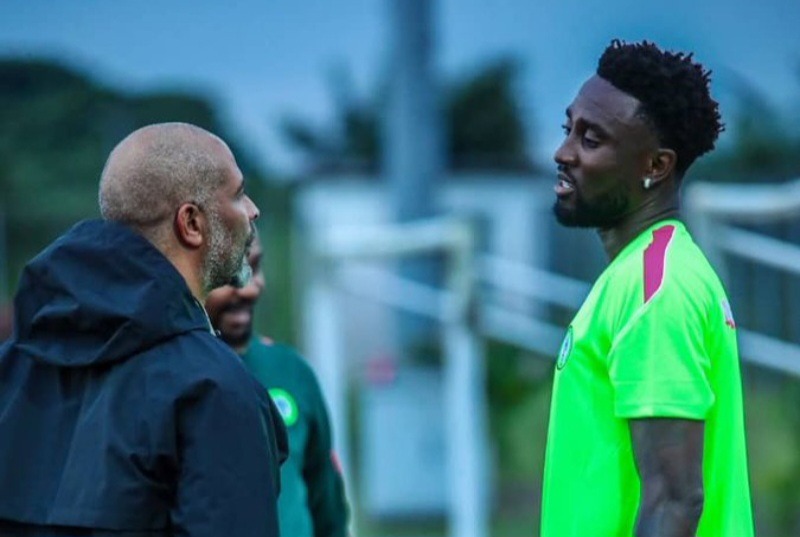
Several members of Nigeria’s current setup also have links to the 2019 squad, including Wilfred Ndidi, Alex Iwobi, Ola Aina, Samuel Chukwueze and Moses Simon.
The historical advantage, therefore, belongs to Nigeria, but Madagascar will arrive in Uyo with a result from their last meeting that gives the visitors plenty of belief.
2. Nigeria must find a way forward without Victor Osimhen
One of the biggest changes to Chelle’s plans is the absence of Victor Osimhen.
The Galatasaray striker was ruled out of both September qualifiers after suffering a muscle injury, with the Nigeria Football Federation confirming that he would miss the Madagascar and Guinea-Bissau games while continuing his recovery. Osimhen has scored 35 goals in 52 appearances for the Super Eagles.
His absence leaves Chelle with several options, including Akor Adams, Taiwo Awoniyi, Tolu Arokodare and George Ilenikhena, while Ademola Lookman, Moses Simon and Samuel Chukwueze provide attacking options from wider areas. Awoniyi was recalled to the squad after Osimhen’s withdrawal.
That means Nigeria will have to adjust rather than simply replace Osimhen.
The Super Eagles still possess considerable attacking quality, but Chelle’s selection and tactical approach will determine how effectively that quality translates into chances and goals against a Madagascar side expected to defend compactly and look for opportunities in transition.
Nigeria also have defensive changes to consider, with Zaidu Sanusi unavailable and Ola Aina among the experienced options available to Chelle.
3. Group L makes every point important
The structure of Group L adds another layer of importance to Friday’s fixture.
Nigeria, Madagascar, Guinea-Bissau and Tanzania were drawn together, but Tanzania are already guaranteed a place at AFCON 2027 as one of the three co-hosts alongside Kenya and Uganda.
Consequently, only the highest-placed team among Nigeria, Madagascar and Guinea-Bissau will qualify from the group.
That makes the opening two matchdays particularly significant.
Nigeria host Madagascar in Uyo on Friday before travelling to Bissau to face Guinea-Bissau on September 29. Madagascar, meanwhile, face Tanzania in their second fixture.
The Super Eagles therefore have an opportunity to establish themselves early in the race, but Madagascar and Guinea-Bissau know that points against Nigeria could prove decisive in a group where only one of the three non-host nations can qualify.
For Chelle, Friday is consequently about more than simply opening the campaign with a home fixture. It is the first step in navigating a qualification group where there is effectively one ticket available to Nigeria, Madagascar and Guinea-Bissau.