
 AFCON 2025


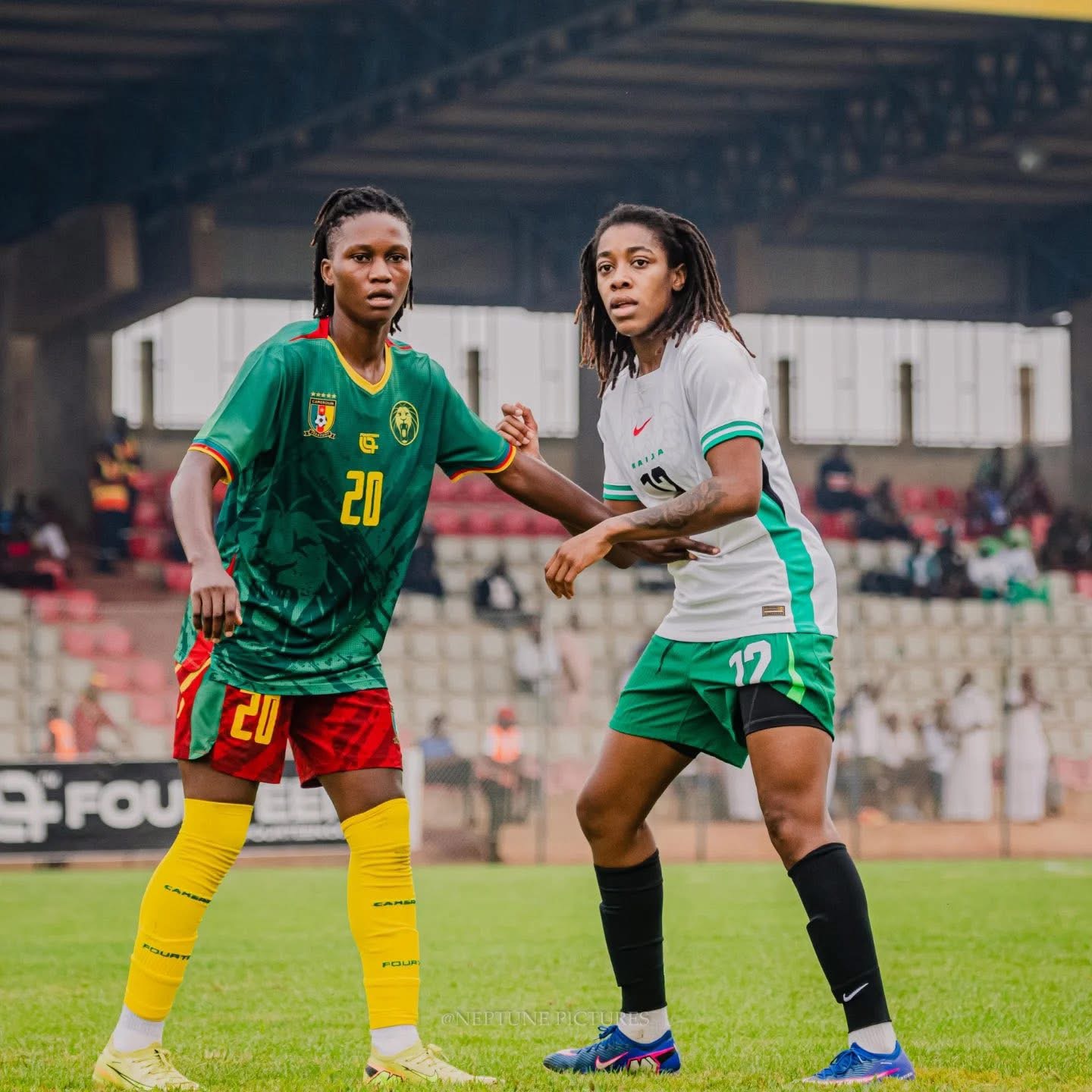
The Confederation of African Football (CAF) on Thursday, March 5, 2026, officially postponed the 2026 Women’s Africa Cup of Nations (WAFCON), moving the tournament from its original March 17 start date to a July 2026.
While the official statement from CAF cited “unforeseen circumstances” following discussions with FIFA and other stakeholders, a deeper investigation into reports from ESPN and The Sun reveals three critical, detailed reasons for the delay:
Critical Logistical Gaps and Administrative Delays
With only 12 days remaining before the planned kickoff, CAF had yet to finalize several foundational elements of the tournament. Most notably, no media accreditation had been issued to international or local journalists, and technical workshops for team officials had not taken place.
Also, the specific venues for the knockout rounds remained unconfirmed, and security personnel had not yet been deployed to competition sites in Morocco.
The July shift provides the necessary time to close these logistical bottlenecks.
Strained Infrastructure Due to Domestic and International Fixture Clashes
Morocco’s domestic league, the Botola Pro, has faced a significant backlog following the country’s hosting of the African Nations Championship (CHAN) and the Arab Cup.
The Royal Moroccan Football Federation (FRMF) reportedly informed CAF that hosting WAFCON in March would create a “logistical nightmare,” as the country is also hosting nearly a dozen men’s international friendlies during the same window.
Pressure from the 16-Team Expansion
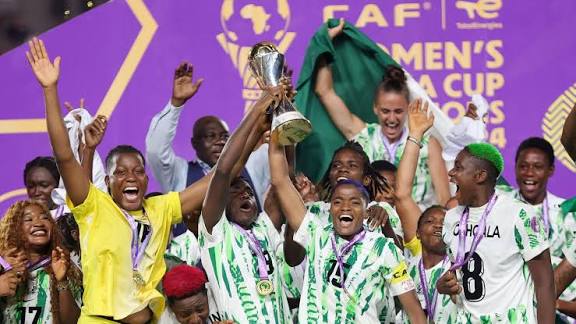
The 2026 edition marks the first time the tournament features 16 teams, up from 12 in 2024.
This 33% increase in participating nations requires a significantly larger footprint for training pitches, accommodation, and transport logistics.
Internal reports suggest that Morocco requested the delay to ensure optimal preparation for this expanded format, avoiding the risk of a sub-par experience for the additional teams and their traveling fans.
The Global Impact: World Cup Qualifying
Beyond the immediate schedule change, the postponement carries heavy weight because the 2026 WAFCON serves as the exclusive qualification pathway for the 2027 FIFA Women’s World Cup in Brazil.
The four semi-finalists will earn automatic tickets, while a fifth team will enter an intercontinental play-off.
For the players, particularly defending champions Nigeria and hosts Morocco, the shift to July means moving outside the traditional FIFA international window, which may create fresh challenges for European-based stars