
 AFCON 2025


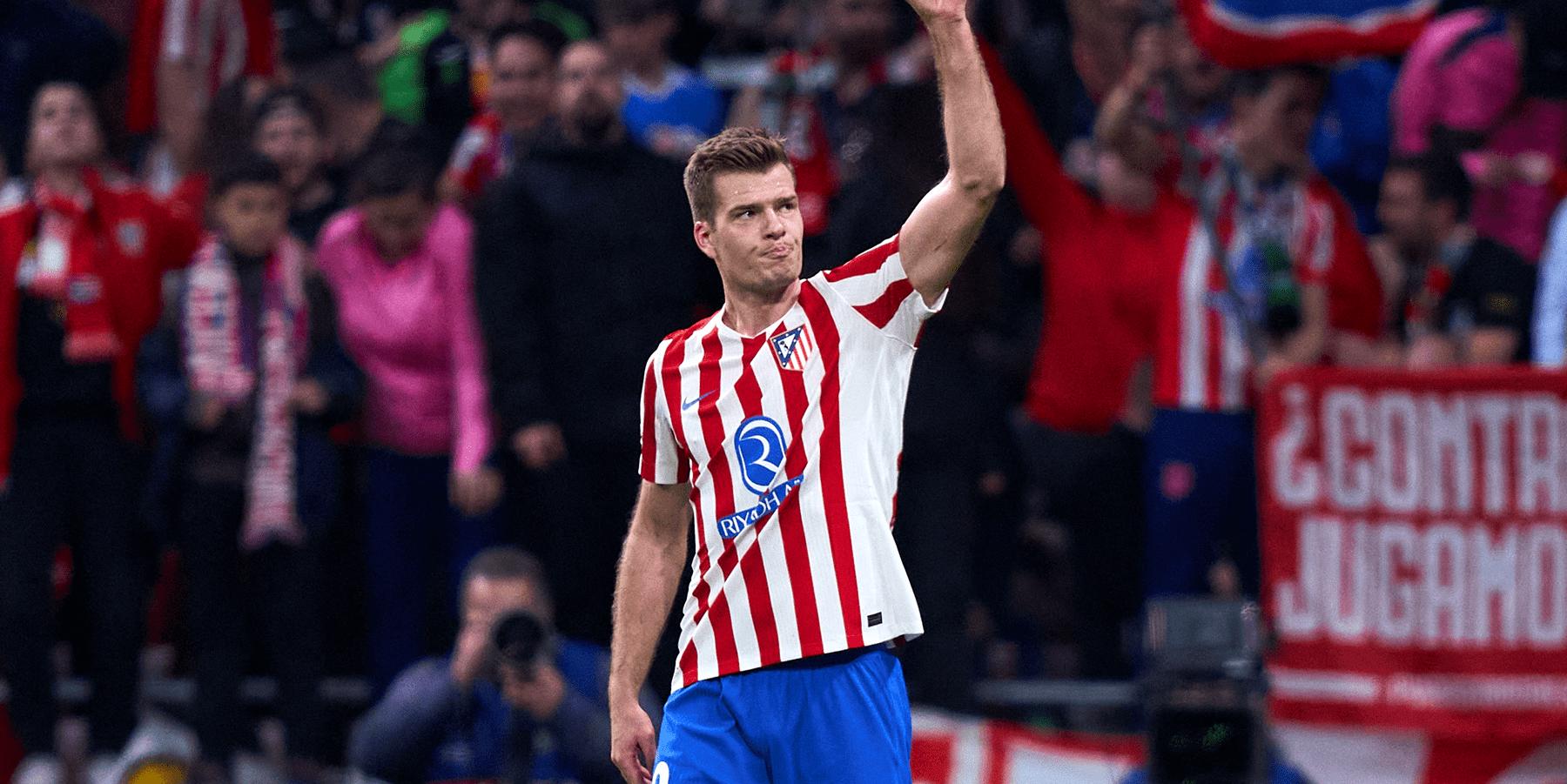
Tuesday’s UEFA Champions League fixtures delivered decisive outcomes across Europe. Bodø/Glimt completed a stunning aggregate victory over Inter Milan at San Siro.
Meanwhile, Atlético Madrid powered past Club Brugge with authority, Newcastle United confirmed progression despite a lively contest with Qarabağ, and Bayer Leverkusen calmly saw out their advantage against Olympiacos.
However, beyond qualification and elimination, the night revealed patterns that continue to shape knockout football at this level. These matches were rarely about goals or scorelines. They exposed deeper truths about efficiency, control, pressure, and the small details that quietly decide European ties.
1. Reputation Does Not Protect You from Ruthless Efficiency
The headline result belonged to Bodø/Glimt, whose elimination of Inter Milan will linger long after the draw for the next round. What stood out was not just the upset, but how it unfolded. Inter had control for long stretches, pushed numbers forward, and generated chance after chance. Yet the scoreboard refused to reflect that dominance.
Bodø/Glimt, by contrast, looked composed in moments that mattered. Their attacks were direct, purposeful, and, most importantly, finished with conviction. When openings appeared, hesitation was absent. The difference between the sides was not creativity or territory. It was an execution.
Inter’s frustration became increasingly visible as the game wore on. Shots accumulated, pressure mounted, but clarity in front of goal never arrived. European ties rarely forgive that imbalance. Volume without precision is often just noise.
2. Timing of Goals Changes Everything
Atlético Madrid’s win over Club Brugge was shaped as much by timing as quality. Brugge’s early breakthrough briefly unsettled the tie, forcing Atlético into a response rather than allowing them to dictate terms from kickoff.
What followed was revealing. Atlético did not panic, nor did they abandon structure. They gradually tightened control, reset their rhythm, and waited for the right moments to strike. Alexander Sørloth’s goals did not come in a frantic burst. They arrived at intervals that steadily drained belief from the visitors.
Each goal altered the emotional temperature of the contest. Brugge’s early confidence faded into caution, then desperation. Atlético grew sharper as space opened. Momentum, once reclaimed, rarely shifted again.
3. Fast Starts Still Carry Strategic Weight
At St James’ Park, Newcastle United wasted little time asserting authority against Qarabağ FK. Goals inside the opening minutes immediately reframed the contest, not just tactically but psychologically.
Early leads in knockout matches force uncomfortable decisions on opponents. Qarabağ were pushed into risk earlier than planned, stretching their shape and exposing spaces Newcastle could exploit throughout the evening.
Even when Qarabağ found moments of resistance, the structure of the tie had already tilted. Newcastle were rarely chasing the game. They were managing it. That distinction matters more than it appears.
4. Control Without Urgency Can Be a Winning Formula
While others chased goals, Bayer Leverkusen’s goalless draw with Olympiacos carried its own lesson. Holding a first-leg advantage, Leverkusen approached the match with restraint rather than aggression.
There was no frantic pressing, no reckless forward surges. Instead, Leverkusen focused on spacing, defensive compactness, and denying Olympiacos the type of transitions that could ignite the tie.
It was not spectacular, nor was it designed to be. Knockout football frequently rewards teams that understand when to accelerate and when to suffocate tempo.
5. Pressure Reveals Decision-Making, Not Just Skill
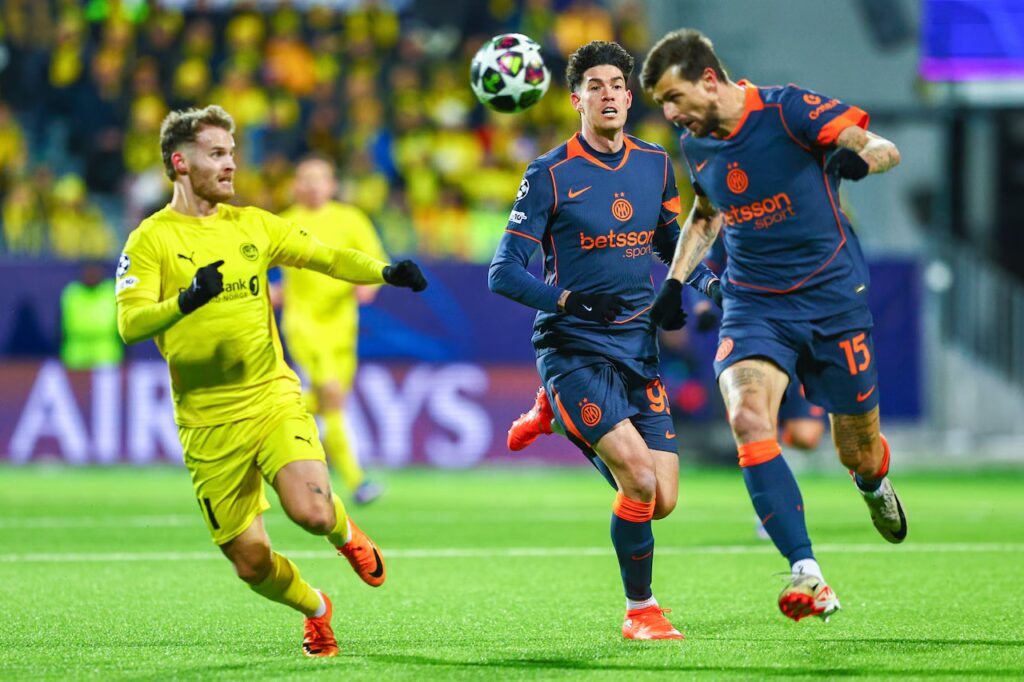
Across the night, one theme quietly repeated itself: pressure exposes choices. Inter’s finishing struggles, Brugge’s defensive reactions after conceding, and Qarabağ’s forced risks all illustrated how UEFA Champions League football magnifies decision-making.
At this level, technical quality is assumed. What separates sides is often clarity under stress. The extra touch, the rushed pass, the delayed run; these moments carry consequences that domestic matches sometimes soften.
Teams that remained composed; Bodø/Glimt in front of goal, Atlético in response to setbacks, Leverkusen protecting their lead, showed how control of decisions often outweighs control of possession.