 AFCON 2025


As the 2024 African Nations Championship (CHAN) officially began today, questions loom over Nigeria’s home-based Super Eagles squad and their readiness to mount a serious title challenge.
Despite the country’s rich footballing history, the CHAN tournament, exclusively for players active in their domestic leagues, has consistently exposed the gaps in Nigeria’s local football ecosystem.
Here are three compelling reasons the Super Eagles may struggle to win CHAN 2024:
1. Poor Historical Track Record at CHAN
Unlike the senior national team’s success on the continental stage, Nigeria’s CHAN record leaves much to be desired. Since the tournament’s inception in 2009, the Eagles have only reached the final once in 2018, and failed to qualify altogether in multiple editions.
In recent years, they’ve either stumbled during the qualifiers or underperformed at the group stage. This lack of pedigree contrasts sharply with countries like Morocco and DR Congo, who treat the competition with more strategic intent and preparation.
2. Talent Drain Weakening the Squad
One of the major setbacks to Nigeria’s CHAN ambitions is the constant exodus of top NPFL players to foreign leagues. The postponement of the tournament to August has worsened this trend.
Several players originally tipped to feature at CHAN including promising talents like Waliu Ojetoye have since completed moves abroad, rendering them ineligible under tournament rules that require players to be active in their home league.
This forces the technical crew to rebuild the squad late in the day, often settling for less experienced or less cohesive replacements.
3. Coaching Instability and Tactical Limitations
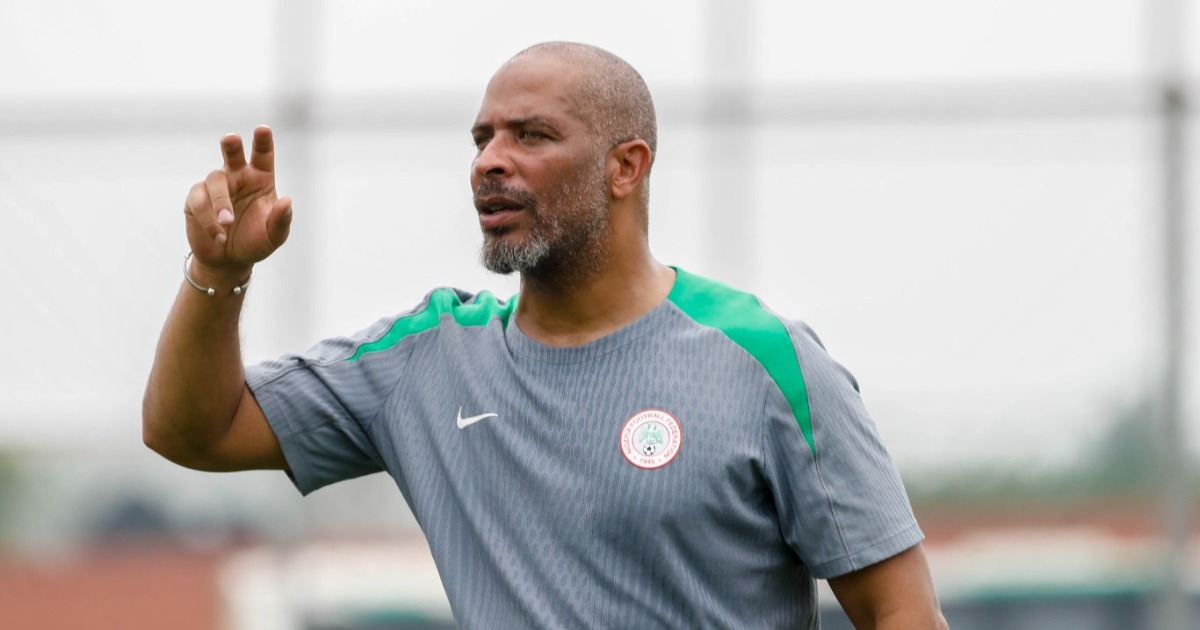
The coaching setup of the home-based Eagles is another area of concern. Head coach Eric Chelle, newly tasked with leading the team, has yet to prove himself at this level, and confidence in his tactical acumen remains shaky.
Compounding this is the wider issue of underinvestment in tactical training and analytics within the NPFL, which leaves players tactically unrefined compared to their North and Central African counterparts.