 AFCON 2025



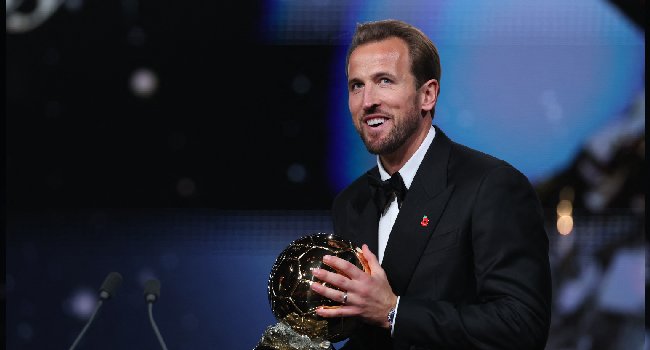
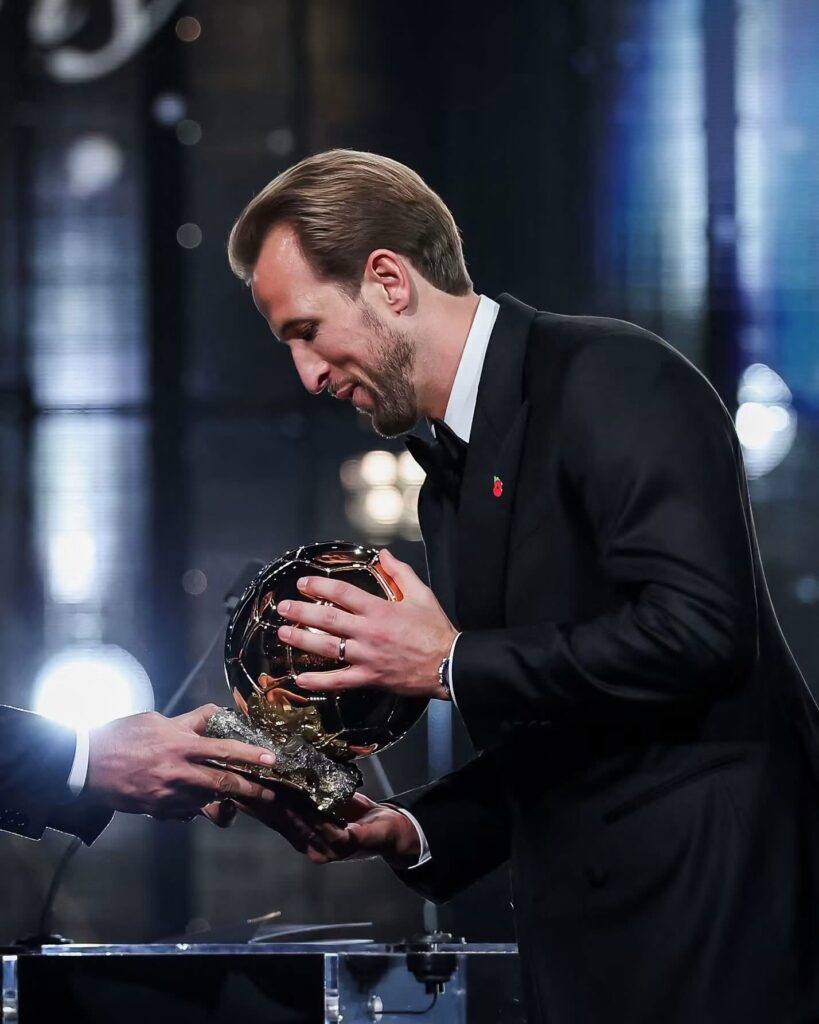
Harry Kane’s triumph at the 2026 Ballon d’Or ceremony at the London Palladium was a landmark moment for English football. Beyond ending a long wait for an English winner, the result offered an insight into what matters most to voters and the players shaping the next era of the game.
Here are three major talking points from the ceremony.
1. Consistency Still Counts
Kane’s Ballon d’Or success was built on an outstanding season in front of goal. The Bayern Munich striker scored 73 goals in 65 appearances for club and country, won a domestic double and helped England secure a bronze medal at the World Cup.
His numbers made a compelling case for the award. While other contenders attracted attention for their individual brilliance, Kane’s ability to deliver consistently across the season proved decisive.
His victory reinforces a familiar principle: at the highest level, sustained performance and goalscoring remain among the strongest arguments for individual recognition.
2. A New Generation Is Taking Over
For years, Lionel Messi and Cristiano Ronaldo dominated the Ballon d’Or conversation, winning the award between them 13 times. That era is now firmly behind us.
Messi’s fifth-place finish, alongside Ronaldo’s absence from the leading contenders, reflects the changing landscape of world football. Kane, Kylian Mbappé and Lamine Yamal represent a different generation, one increasingly judged on current performances rather than past achievements.
Their emergence does not diminish what Messi and Ronaldo accomplished. Instead, it signals that the focus has shifted towards the players defining football today, with new names establishing themselves among the game’s elite.
3. Spanish Football Continues to Set the Pace
Kane may have taken home the biggest prize, but Spanish football enjoyed an impressive night across several categories.
Alexia Putellas claimed the women’s Ballon d’Or for a third time, while Yamal won the Kopa Trophy. Unai Simón and Cata Coll received the goalkeeper awards, with Luis de la Fuente and Pere Romeu recognised in the coaching categories.
The success reflects Spain’s continued strength in both the men’s and women’s game. From producing elite young players to competing for major international honours, Spanish football remains a significant force on the global stage.