
 AFCON 2025


Atlético Madrid delivered a huge statement in the UEFA Champions League with a hard-fought victory over FC Barcelona, ending the Catalan side’s European hopes in dramatic fashion.
Diego Simeone’s men showed their trademark discipline and resilience, frustrating Barcelona for long spells before capitalising on key moments. Despite enjoying more possession, Barcelona struggled to break down Atletico’s compact defensive setup and paid the price for missed chances.
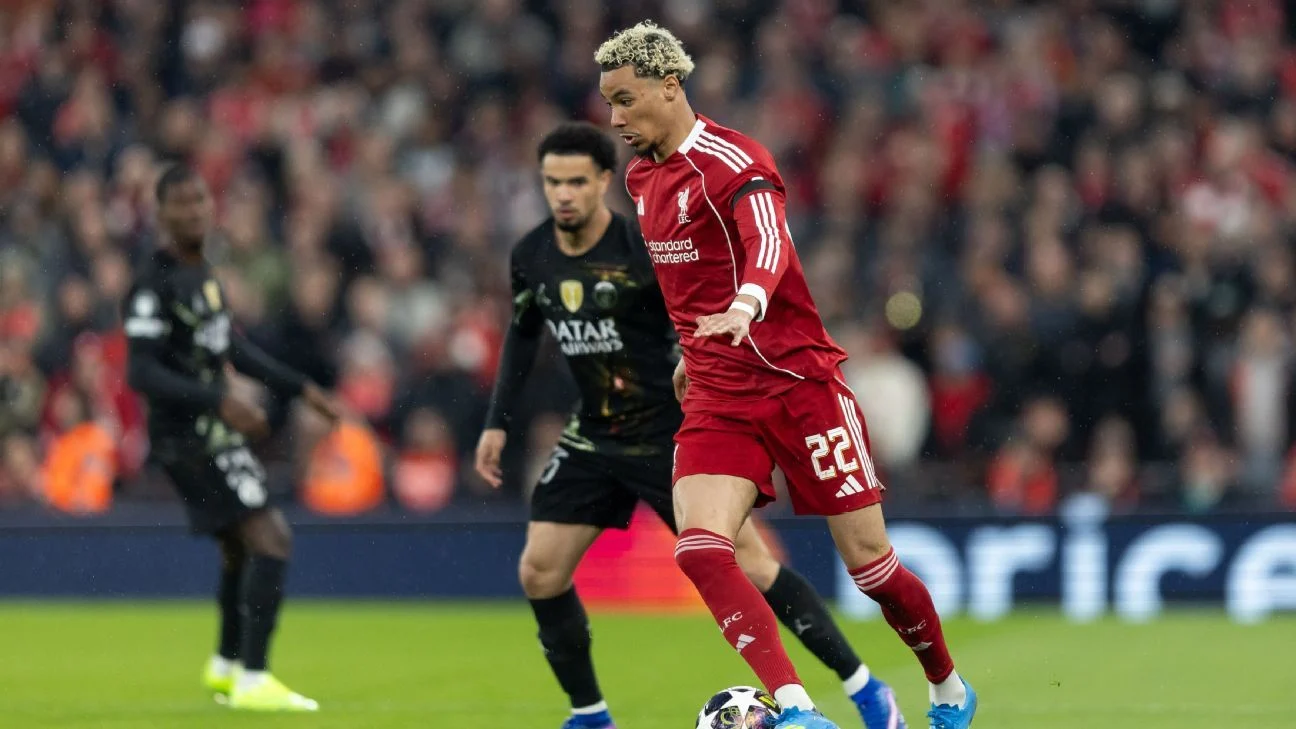
In another blockbuster tie, Paris Saint-Germain eliminated Liverpool FC after a tense encounter that lived up to expectations.
Here are three things we learnt from the Champions League night.
1. Atlético Madrid turned the game into exactly what they wanted
Atlético Madrid did not just beat FC Barcelona, they dictated the terms of the contest from the first whistle. This was a classic Diego Simeone European performance, where structure, patience, and emotional control mattered more than flair.
Barcelona had the ball for long stretches, but it often felt like sterile dominance. Atletico were comfortable without possession, sitting in a compact mid-to-low block, closing central spaces, and forcing Barcelona wide where their threat was easier to manage. Every defensive action had intent. Every clearance had direction.
What stood out was Atletico’s game intelligence. They knew when to slow the tempo, when to break, and when to disrupt rhythm with tactical fouls. In transitions, they were direct and purposeful, targeting the spaces left behind by Barcelona’s advanced full-backs.
At this level, knockout football is not about who plays the better football on paper. It is about who controls the narrative of the game. Atletico did that over both legs. They dragged Barcelona into a battle, and once it became a battle, the outcome felt inevitable.
2. Barcelona’s evolution is incomplete when it matters most
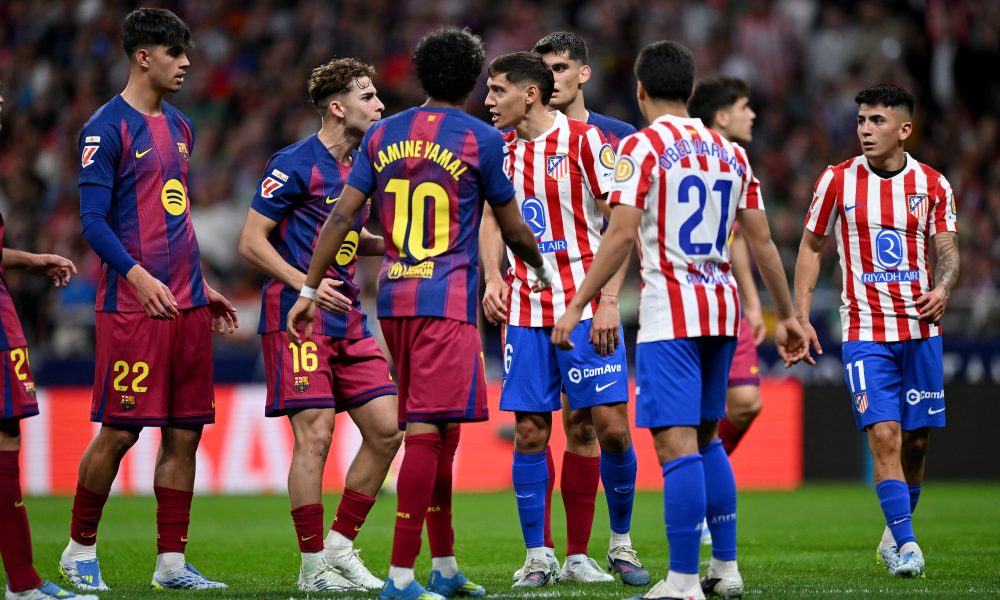
FC Barcelona will look at this tie and feel frustrated, but the deeper issue is more structural than emotional. They had control, they had territory, but they lacked incision.
Their positional play was clear. The ball circulation was clean. They progressed into good areas consistently. But once they approached the final third, the ideas became predictable. Atletico were rarely pulled out of shape because Barcelona did not stretch them enough vertically or attack the half-spaces with enough aggression.
There is also a growing concern about their ability to respond under pressure in knockout games. When the game demanded urgency, Barcelona looked measured rather than dangerous. When it demanded risk, they stayed safe. That balance between control and penetration is still missing.
At the highest level, especially in the Champions League, you cannot rely on dominance alone. You need variation, unpredictability, and players willing to decide games in tight spaces. Barcelona are close to being an elite side again, but nights like this show they are not fully there yet.
3. Liverpool were outclassed over two legs, not just beaten
Liverpool FC came into the return leg with a point to prove after the away defeat. There was an expectation of intensity, of a fast start, of a performance that would at least restore pride in front of their supporters. Instead, Paris Saint-Germain controlled the tie with authority and exposed Liverpool’s weaknesses again.
What made this result striking was not just the elimination, but the manner of it. Liverpool’s usual strengths, their pressing, their tempo, their emotional energy, were either neutralised or inconsistent. PSG played through the press with composure, bypassed midfield pressure with intelligent positioning, and attacked with clarity once spaces opened up.
Liverpool, on the other hand, looked reactive rather than proactive. Their pressing lacked coordination, their midfield struggled to impose itself, and their attacking play felt rushed. Even when they had moments of pressure, they did not sustain it long enough to truly destabilise PSG.
There was a belief that Anfield could shift the momentum, that Liverpool would produce one of those European nights. But PSG never allowed the game to reach that emotional peak. They managed the tempo, silenced the crowd, and picked their moments with maturity.
Across both legs, PSG were simply the better team. More organised, more composed, and more efficient. For Liverpool, this is more than just an exit. It is a reminder that at this level, intensity alone is not enough. Structure, control, and precision are what separate contenders from the rest.