
 AFCON 2025


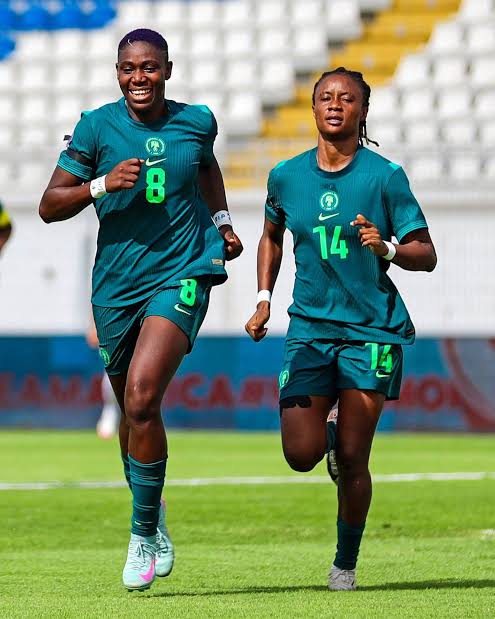
When Nigeria’s Super Falcons walk onto the turf of the Olympic Stadium in Rabat on Wednesday night, they will know that every pass, tackle and chance created could determine not only their fate at the 2026 Women’s Africa Cup of Nations (WAFCON), but also keep alive their pursuit of a place at the 2027 FIFA Women’s World Cup in Brazil.
The nine-time African champions face Egypt in their final Group C fixture with kickoff scheduled for 9:00 p.m.. At the same time, Malawi and Zambia will contest the other decisive group encounter, with both matches shaping the final standings.
Nigeria responded to their opening defeat against Malawi with a resilient 1-0 victory over Zambia despite playing more than half of the match with 10 players. Yet that result has only intensified the drama.
As the Falcons prepare for another defining night, three major storylines dominate the build-up.
A Group Hanging in the Balance
Group C has produced one of the tournament’s most unpredictable qualification races.
Malawi sit atop the standings with six points, while Nigeria occupy second place on three points. Zambia also have three points but trail the Falcons because of Nigeria’s 1-0 head-to-head victory. Egypt, after consecutive defeats, have already been eliminated.
Although Nigeria currently hold second place, their route to the quarter-finals is far from straightforward.
A victory over Egypt would take the Falcons to six points, but qualification could still depend on events in the simultaneous fixture between Malawi and Zambia.
Should Zambia fail to beat Malawi, Nigeria would comfortably progress.
However, if both Nigeria and Zambia claim victories, all three teams would finish level on six points, forcing CAF’s head-to-head regulations into play. In that scenario, the scoreline between Malawi and Zambia, not just the result could determine the final order in the group.
One thing is already certain. Nigeria cannot finish top of Group C due to the competition’s tiebreaking criteria. Their objective is therefore clear: secure second place and avoid the uncertainty of qualifying as one of the tournament’s best third-placed teams.
Anything less than victory would leave the Falcons depending heavily on favourable results elsewhere, while defeat could end their campaign altogether.
Madugu’s Biggest Test Yet
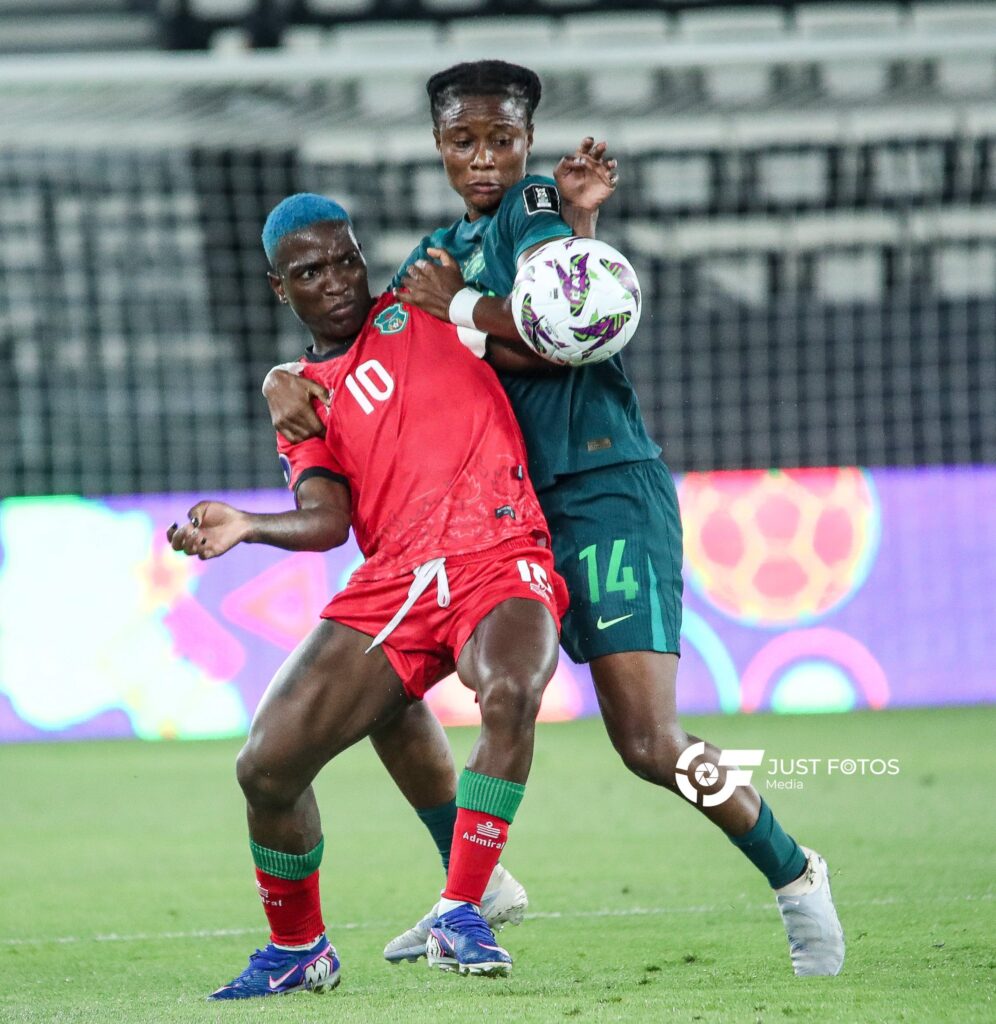
Justine Madugu’s tactical discipline earned widespread praise after Nigeria’s spirited victory over Zambia.
Now the Super Falcons head coach faces perhaps his toughest selection dilemma of the tournament.
Centre-back Tosin Demehin is suspended after her red card against Zambia, while midfielder Jennifer Echegini misses the game after accumulating two yellow cards.
Both absences strike at the heart of Nigeria’s defensive organisation and midfield balance.
The biggest question revolves around Christy Ucheibe.
After moving into central defence following Demehin’s dismissal against Zambia, Ucheibe delivered an assured performance alongside veteran Osinachi Ohale to preserve Nigeria’s clean sheet.
Madugu must now decide whether to maintain that partnership or restore Ucheibe to her preferred defensive midfield role, potentially handing Shukurat Oladipo a starting opportunity in defence.
The decision could shape the rhythm of Nigeria’s performance.
Keeping Ucheibe at centre-back strengthens defensive continuity but weakens midfield protection. Returning her to midfield restores physicality and ball recovery in the centre of the pitch but introduces a new defensive partnership in a high-pressure match.
Further forward, experienced midfielder Ngozi Okobi-Okeoghene is expected to replace the suspended Echegini, offering creativity, leadership and quality from set pieces.
Meanwhile, Asisat Oshoala, whose decisive strike secured victory against Zambia, is expected to spearhead the attack alongside captain Rasheedat Ajibade and Uchenna Kanu.
Against an Egyptian side likely to defend deep, patience and intelligent movement could prove just as important as attacking quality.
Why Egypt Should Not Be Underestimated
The standings suggest Nigeria should comfortably defeat Egypt.
The reality may be far more complicated.
Egypt have collected no points and conceded heavily during the tournament, including a 6-0 defeat to Zambia and a 3-1 loss against Malawi.
Yet those scorelines do not tell the complete story.
Against Malawi, the Pharaohs Women produced one of their most encouraging attacking displays, registering 15 shots, five on target and creating several clear-cut opportunities.
Although eliminated from the competition, Egypt now have the freedom to play without pressure a dangerous mindset for any underdog.
Goalkeeper Maha Shehata has been one of the tournament’s busiest players, producing numerous saves despite her team’s defensive struggles.
Iman Hassan remains Egypt’s biggest aerial threat after scoring against Malawi, while Christina Salama has shown flashes of quality in transition, particularly when driving into space around the edge of the penalty area.
Nigeria’s biggest challenge may therefore be psychological rather than tactical.
The Super Falcons cannot afford the sluggish tempo and defensive lapses that cost them against Malawi.
Quick ball circulation, intelligent width and early deliveries into dangerous areas will be essential to stretch Egypt’s defensive block, while maintaining defensive balance will be critical in preventing counter-attacks.