
 AFCON 2025


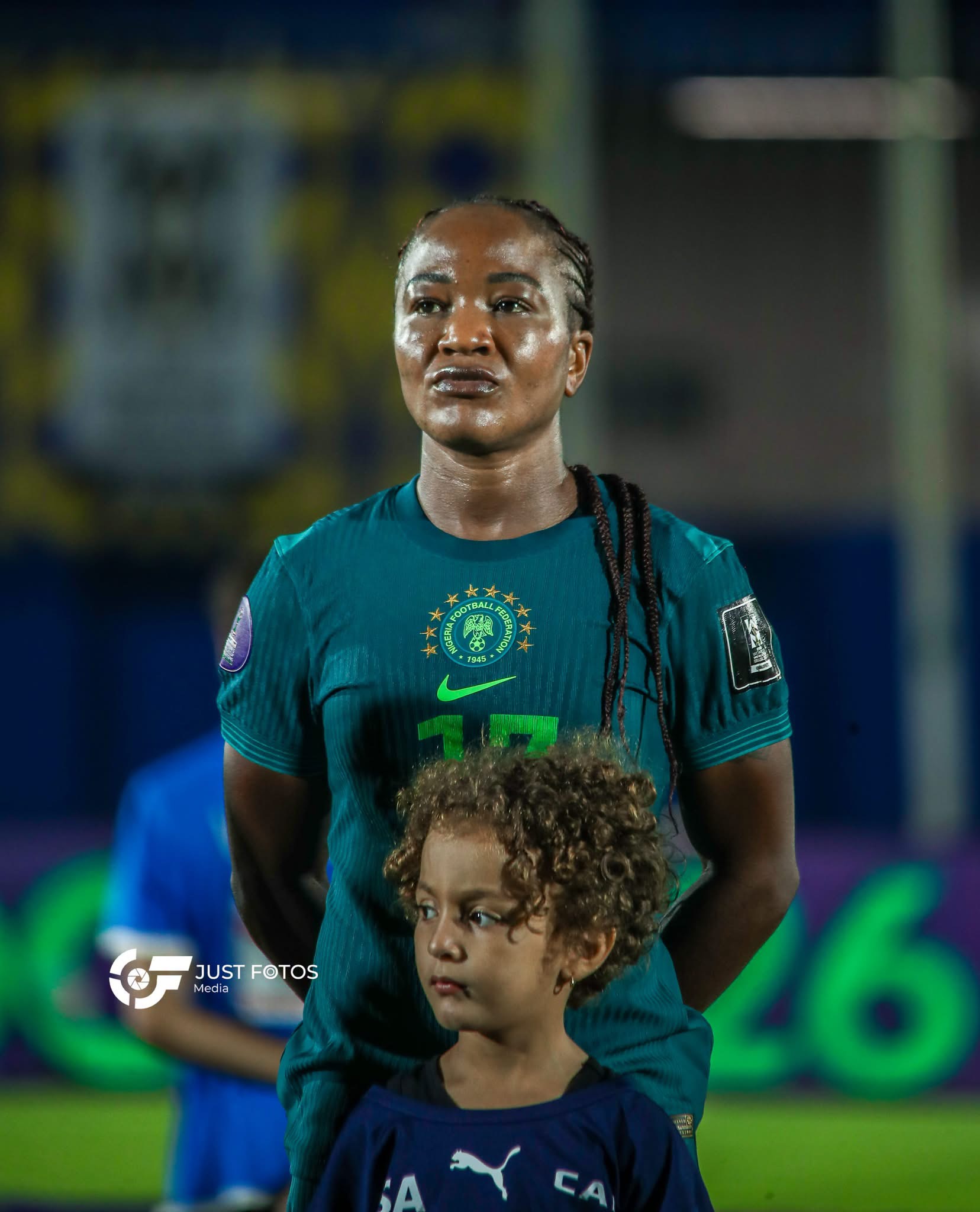
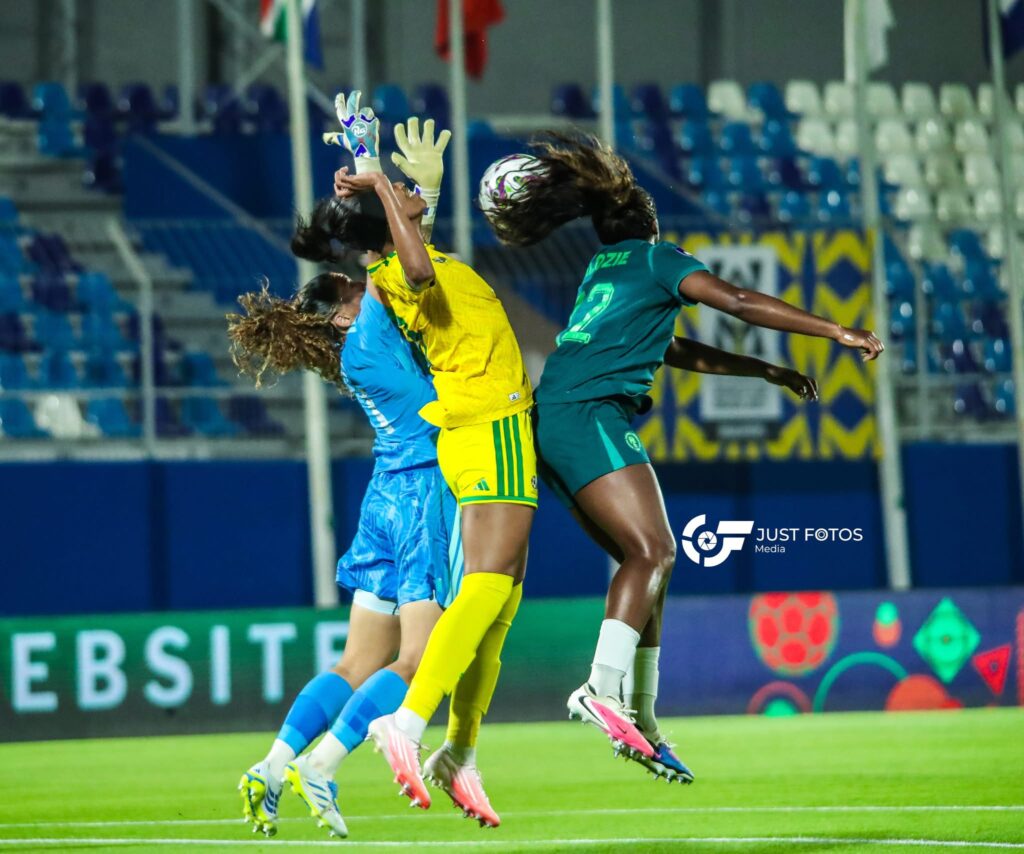
Nigeria’s Super Falcons have been eliminated from the race for the 2027 FIFA Women’s World Cup after South Africa’s Banyana Banyana secured a 2-1 victory in CAF playoff at Stade Moulay Rachid in Casablanca on Thursday night, ending Nigeria’s record of appearing at every edition of the Women’s World Cup since the tournament began in 1991.
Thembi Kgatlana opened the scoring in the 56th minute before Refiloe Jane doubled South Africa’s advantage in the 77th minute. Christy Ucheibe’s stoppage-time penalty gave Nigeria a late lifeline, but the Super Falcons could not find an equaliser as Banyana Banyana held on to secure the final route to the inter-confederation playoffs.
The defeat came only days after Nigeria’s elimination from the 2026 Women’s Africa Cup of Nations quarter-finals, where they lost 1-0 to Cameroon. South Africa suffered a similar fate, losing 2-1 to hosts Morocco, but the playoff offered both teams one final opportunity to keep their World Cup hopes alive.
Here are three important lessons from the match.
1. African women’s football is becoming increasingly competitive
For decades, Nigeria’s dominance of African women’s football was almost unquestioned.
The Super Falcons won the first edition of the Women’s Africa Cup of Nations in 1998 and went on to establish themselves as the continent’s most successful women’s national team. Their record of World Cup qualification further reinforced that status.
But the gap between Nigeria and the rest of Africa has narrowed considerably.
South Africa’s victory in Casablanca was another indication of that shift. Banyana Banyana were organised, disciplined and clinical when their opportunities came. They absorbed periods of pressure, punished Nigeria when it mattered and managed the closing stages of the game with maturity.
Even after being reduced to 10 players, South Africa remained composed enough to protect their lead.
Nigeria are no longer facing opponents who simply hope to survive against them. Teams such as South Africa, Cameroon and Morocco increasingly approach matches against the Super Falcons with the belief that they can win.
Cameroon had already demonstrated that earlier in the tournament by eliminating Nigeria from the WAFCON quarter-finals.
The standard across the continent is rising, and that is ultimately good for African women’s football.
2. Nigeria’s football problems are becoming impossible to ignore
The Super Falcons’ elimination also adds to a worrying picture for Nigerian football.
The Super Eagles had already failed to qualify for the 2026 FIFA World Cup. Now, for the first time, Nigeria’s senior men’s and women’s national teams will both miss the same World Cup cycle.
That should prompt serious reflection.
The problem cannot simply be reduced to one poor performance in Casablanca.
Nigeria’s recent struggles point towards deeper issues, including inconsistent preparation, limited high-level competitive exposure, squad-depth concerns and the need for greater sustained investment in the women’s national team.
The Super Falcons still possess talented and experienced players. They can dominate possession, create chances and compete physically with the continent’s best.
But football at the highest level is increasingly decided by what happens in decisive moments.
Against Cameroon, Nigeria could not find the goal required to rescue their WAFCON campaign.
Against South Africa, they conceded twice before scoring too late to change the outcome.
The pattern is becoming difficult to dismiss as bad luck.
Nigeria’s opponents are becoming better organised, while the Super Falcons have not consistently matched that progress with the same level of evolution.
The challenge now is not merely to rebuild a team. It is to rebuild an environment capable of consistently producing a team that can compete with Africa’s best.
3. Nigeria’s 36-year World Cup run has come to an end
This is the most painful consequence of the night in Casablanca.
Nigeria had qualified for every edition of the FIFA Women’s World Cup since the inaugural tournament in 1991.
That extraordinary run is now over.
The Super Falcons will not be at Brazil 2027.
For a country that has long viewed qualification for the Women’s World Cup as almost guaranteed, the significance of that absence cannot be overstated.
It means Nigerian players will miss one of the biggest stages in international football. It means young girls watching the national team will not have the opportunity to see the Super Falcons compete at a World Cup. And it brings an end to a record of consistency that had survived more than three decades.
The defeat to South Africa therefore represents more than the conclusion of a difficult qualifying campaign.
It closes a 36-year chapter in Nigerian women’s football.
The Super Falcons still have the talent, experience and history to recover. But history alone cannot guarantee future success.
Nigeria must now confront the uncomfortable questions raised by this campaign, assess what has gone wrong and make meaningful changes to the way the women’s national team is prepared and developed.