
 AFCON 2025


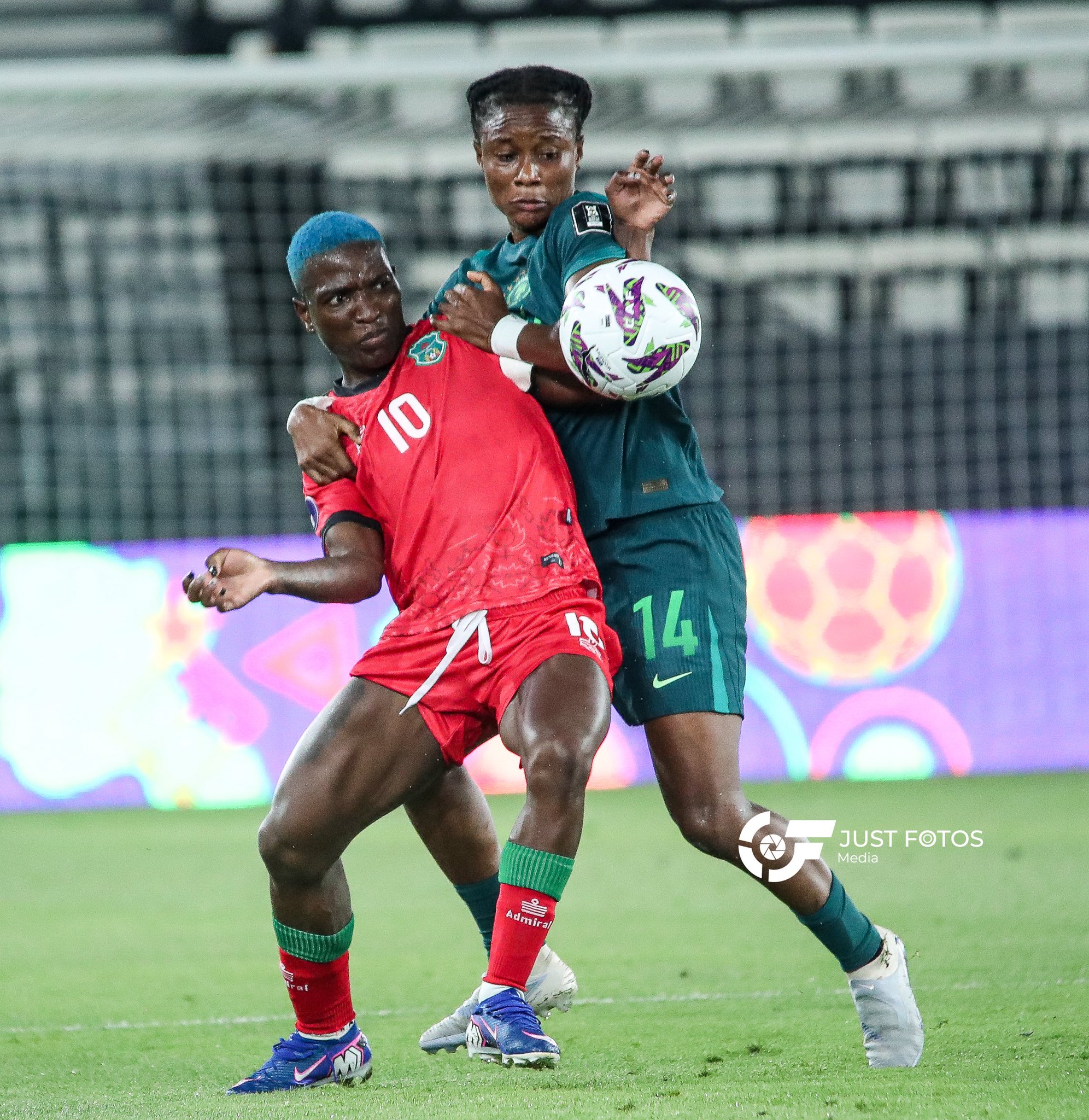
Defending champions Super Falcons suffered an opening-day setback at the 2026 Women’s Africa Cup of Nations on Tuesday night, falling 2-3 to tournament newcomers Malawi at Al Medina Stadium.
Temwa Chawinga (73rd and 90+5th minutes) and her sister Tabitha (79th) produced a clinical second-half masterclass for the Scorchers. Rasheedat Ajibade converted a late penalty (90+2) and Uchenna Kanu scored in the ninth minute of stoppage time, but it was not enough for the 10-time continental kings.
The result leaves the Super Falcons with zero points from their Group C opener and delivers an early reality check in their bid for a record-extending 11th title (and a path toward the 2027 FIFA Women’s World Cup). Beyond the scoreline, three clear lessons emerged.
1. African women’s football has no underdogs anymore
Malawi arrived in Morocco as genuine debutants, the Scorchers had never previously reached the WAFCON finals. On paper, Nigeria were overwhelming favourites. On the pitch, the southern African side outplayed them for long stretches after the break.
The Chawinga sisters, both high-level professionals, exploited defensive lapses with pace, timing and finishing that the Super Falcons could not contain. Malawi matched Nigeria’s 13 shots, created more big chances in key moments, and punished every error. Possession.
This is the new African reality. The gap between established powers and emerging nations has narrowed dramatically. Experience and pedigree no longer guarantee dominance.
2. The Super Falcons must accelerate succession planning
No disrespect is intended to the current generation of Super Falcons. They have delivered multiple titles and remain Africa’s most decorated women’s team. But age does not respect status or past glory.
Veterans such as Osinachi Ohale (34), Halimatu Ayinde (31) and Asisat Oshoala 31 still offer leadership and quality, yet the legs and sharpness required for a demanding tournament schedule are finite. The late introduction of fresher options and the struggle to break down a well-drilled Malawi side showed the need for a deeper, younger talent pipeline ready to step up immediately.
We can not be searching for goals in moments like this and we remember we have Francisca Ordega on the bench.
3. Inadequate preparation was exposed on the pitch
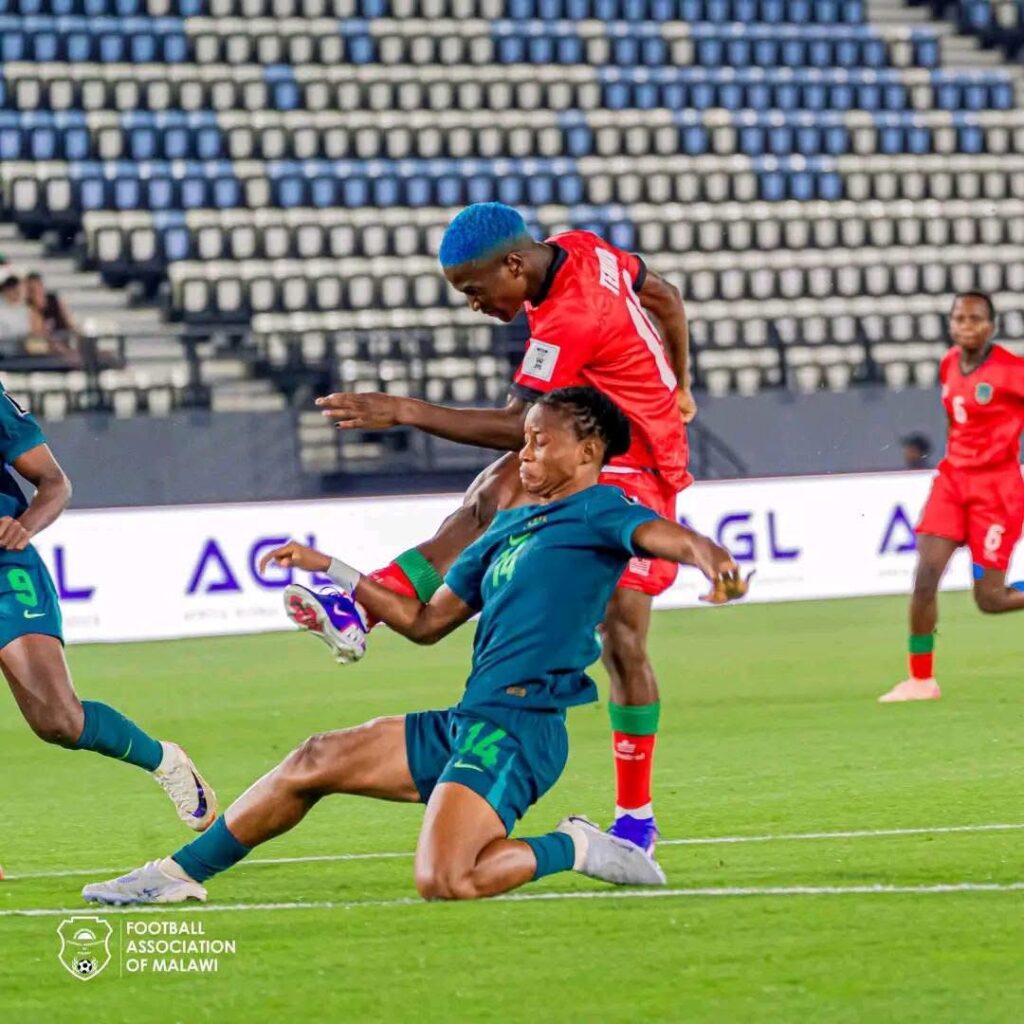
The performance mirrored deeper issues with readiness. While Nigeria did arrange some warm-up matches including a closed-door 2-1 win over Tanzania and earlier games against Cameroon and Senegal, the overall build-up was disrupted by difficulties securing consistent high-quality opposition during FIFA windows.
That lack of sharp, competitive rhythm showed. The Super Falcons controlled periods of the first half without converting dominance into goals, then looked vulnerable once Malawi scored. Defensive concentration dropped, transitions were slow, and the late fightback, though spirited, came too late.
Top teams cannot afford patchy preparation cycles. Consistent international windows with meaningful friendlies are non-negotiable if Nigeria wants to defend its continental crown and compete globally.
The Super Falcons still have Zambia and Egypt left in Group C.
Qualification remains possible, and this side has shown character before.