 AFCON 2025


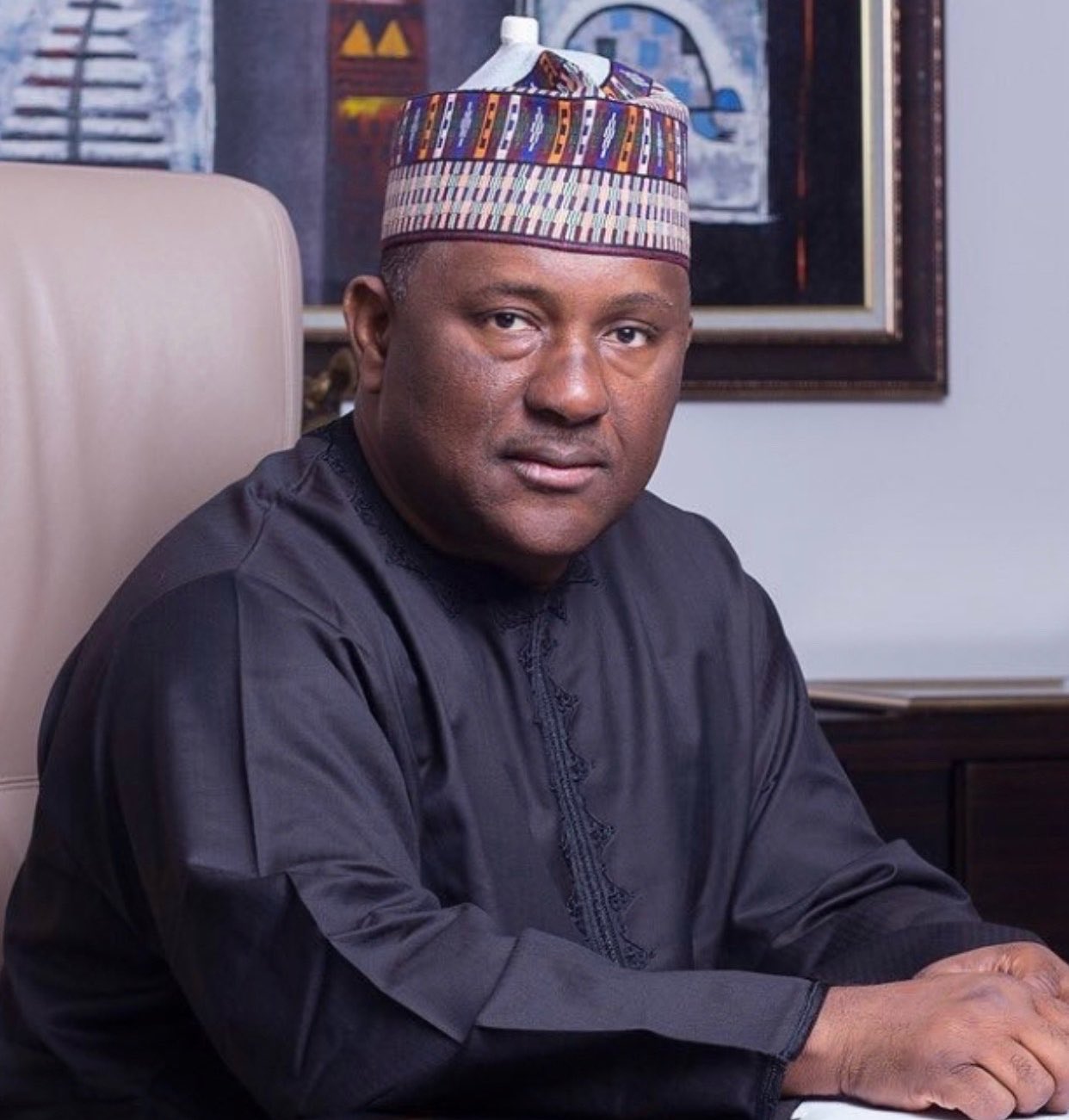
One of Africa’s wealthiest businessmen, Abdul Samad Rabiu, has made a bold move into Nigerian football after submitting a $1.1 million offer to acquire a 70% stake in Kano Pillars FC from the Kano State Government.
The proposed investment comes as the Nigeria Premier Football League (NPFL) intensifies its drive toward club privatization, encouraging state-owned clubs to transition to private ownership through the sale of between 50% and 75% equity stakes.
If the offer is approved, Kano Pillars would become one of the first major NPFL clubs to adopt a significant private ownership model, marking a potentially transformative moment for Nigerian club football.
Rabiu, the founder and chairman of BUA Group, is currently Africa’s third-richest person, with an estimated net worth of $11.2 billion, according to Forbes. His conglomerate operates across cement, sugar, food manufacturing, infrastructure, and agriculture, generating more than $2.6 billion in annual revenue.
Born in Kano in 1960, Rabiu built BUA Group into one of Nigeria’s largest industrial empires after launching BUA International in 1988. The company initially traded commodities before expanding into steel, flour milling, sugar refining, cement production, and consumer goods.
His wealth has surged dramatically over the past year, driven largely by the remarkable performance of BUA Cement, whose shares have risen significantly. Rabiu owns 98.2% of BUA Cement Plc and 95% of BUA Foods Plc, making him one of Africa’s most influential industrialists.
The Kano-born billionaire has also established a reputation as one of Nigeria’s leading philanthropists through the Abdul Samad Rabiu Africa Initiative (ASR Africa), which has invested heavily in education, healthcare, and social development across the continent.
Should the Kano State Government accept the proposal, the investment could provide Kano Pillars with fresh capital to strengthen its squad, improve infrastructure, enhance youth development, and adopt a more sustainable business model.
For the NPFL, the deal would represent a major milestone in its modernization agenda, demonstrating that some of Africa’s biggest investors are beginning to view Nigerian football as a commercially viable industry rather than a government-funded venture.
While discussions are still ongoing, Rabiu’s interest has already generated excitement among Kano Pillars supporters, who hope the potential partnership could restore the four-time Nigerian champions to the summit of domestic football and establish them as a consistent force on the African continent.